Dreaming of a home where the sea shapes your schedule? On Jost Van Dyke, villa life is less about rushing from one thing to the next and more about settling into an easy, coastal rhythm. If you are considering a second home, vacation villa, or long-term lifestyle investment here, understanding what daily life actually feels like can help you decide with confidence. Let’s dive in.
What villa life feels like on Jost Van Dyke
Jost Van Dyke is the smallest of the four main British Virgin Islands, but it delivers a surprisingly layered living experience. Government sources describe it as volcanic and mountainous, with Majohnny Hill rising to 321 meters, which gives the island its dramatic terrain and elevated sea views.
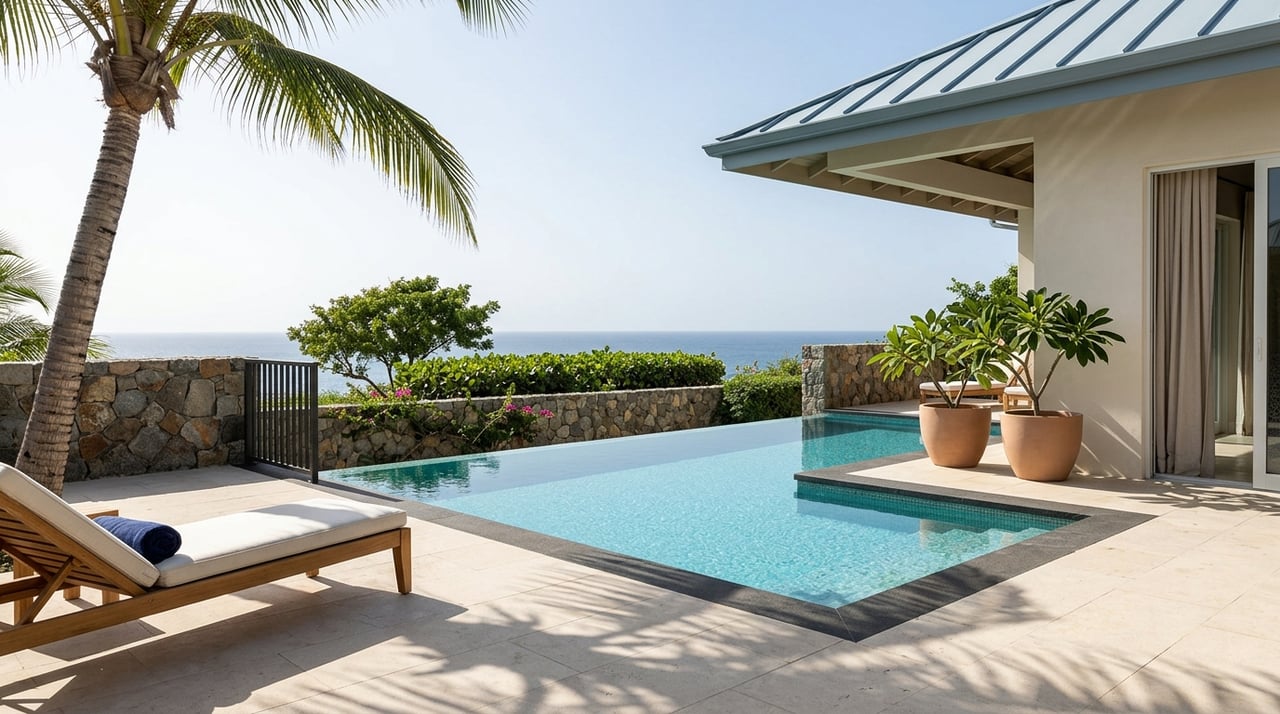
That topography shapes daily life in a very real way. On one side, you have rocky, more exposed coastlines. On another, you find sandy beaches and sheltered waterfront settings. For you as a buyer, that can mean a choice between breezy hillside villas, shoreline homes, and properties that balance privacy with quick access to the water.
The island also carries visible history. Sugar-mill ruins, old footpaths, and long-used harbors give Jost Van Dyke a sense of place that feels established rather than manufactured. That mix of natural beauty and lived-in character is a big part of its appeal.
A slower, sea-led daily rhythm
One of the biggest draws of Jost Van Dyke is its pace. A typical day can be simple in the best possible way, shaped by the harbor, the beach, the weather, and the view from your terrace.
You might start with coffee outdoors as trade winds move through the hills. The British Virgin Islands have a tropical climate moderated by those winds, with relatively little temperature swing during the year. That consistency helps outdoor living feel like a normal part of daily life, not just a vacation luxury.
By midday, life often shifts toward the water. On White Bay, the tourism board lists well-known spots like the Soggy Dollar Bar, Coco Loco’s, and the Hideout, which help define the area’s easy beach-day routine. Swim, have lunch, linger by the shore, and head back to your villa for a quieter afternoon or sunset.
Evenings can take different shapes depending on your mood. Great Harbour tends to offer the strongest village atmosphere, while Little Harbour provides a calmer waterfront setting for dinner and conversation. That variety makes the island feel small, but not one-note.
Great Harbour, White Bay, and Little Harbour
Great Harbour living
Great Harbour is the island’s main port of entry and its clearest community center. Government tourism material describes it as a beachside West Indian village with restaurants and shops, and it has long been a gathering point for boaters and visitors.
If you are drawn to being near activity, services, and a stronger sense of local rhythm, Great Harbour stands out. It is also where you see some of the island’s social energy most clearly, especially around holiday periods like Old Year’s Night, when the area becomes especially busy.
White Bay villa appeal
White Bay is often the image people carry when they think about Jost Van Dyke. It combines beach access, bright water, and a relaxed social scene centered on a small collection of well-known beach bars.
For villa buyers, the appeal is easy to understand. A home near White Bay can support the kind of day many people imagine when they picture Caribbean living: direct beach time, casual dining, and a quick return home for privacy and sunset views.
Little Harbour quiet
Little Harbour offers a different kind of waterfront experience. Tourism listings highlight long-running family-run businesses there, including dining spots that suggest a more relaxed and low-key evening atmosphere.
If your ideal island home is tied to quieter nights and a more tucked-away feel, this part of Jost Van Dyke may be especially compelling. It reflects the softer side of the island’s personality without losing that connection to the sea.
The natural side of everyday life
Villa life on Jost Van Dyke is not only about beaches and dining. The island also offers a strong connection to nature, with easy access to short outings that can become part of your regular routine.
Tourism sources highlight sugar mill ruins, explorer footpaths, wildlife, and Bubbly Pool on the northeast shore. Nearby areas such as Diamond Cay and the Sandy Cay, Sandy Spit, and Little Jost Van Dyke area add birdlife, snorkeling, and hiking into the lifestyle mix.
For you, that means a home here can support more than passive relaxation. It can also create a pattern of light adventure, whether that is a morning walk, a boat outing, or an afternoon spent exploring reefs and protected coastal areas.
What owners should expect day to day
The beauty of Jost Van Dyke comes with practical realities, and informed buyers usually appreciate that. Island ownership here is rewarding, but it works best when you approach it with the right expectations.
Water storage matters
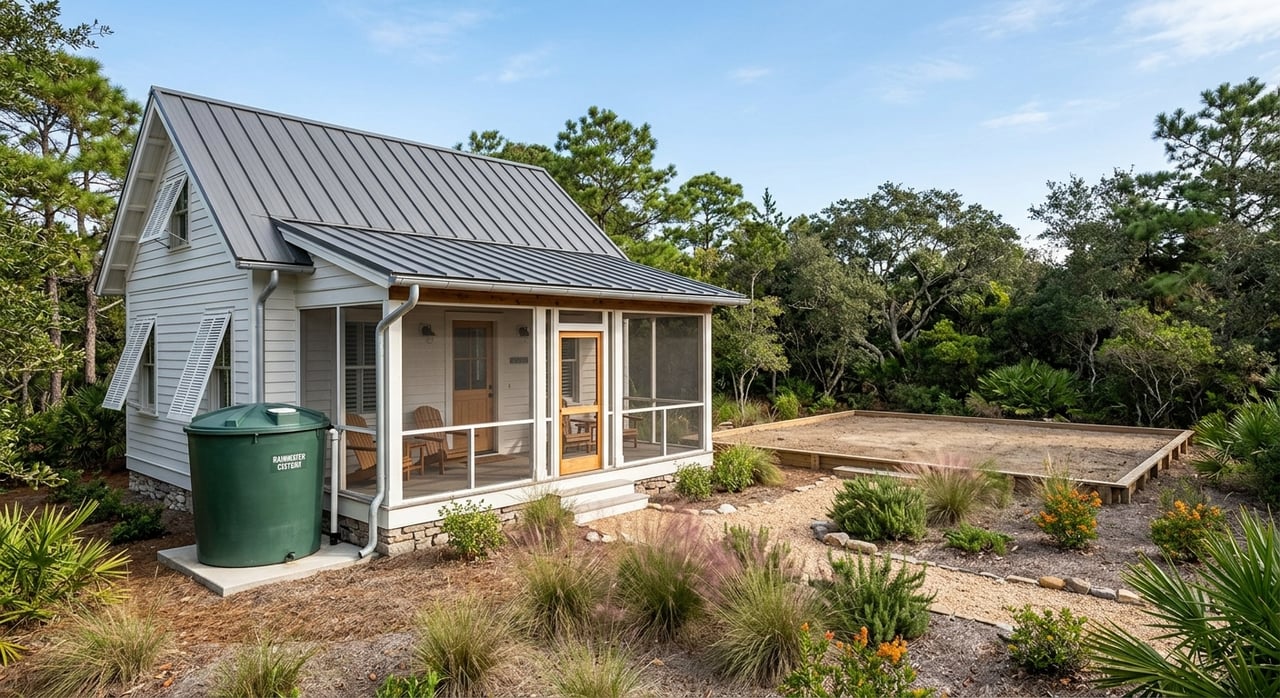
Government guidance notes that freshwater resources in the BVI are limited, with most supply coming from wells and rainwater catchments. In everyday terms, that means water storage is not a niche feature. It is a normal part of island property planning and ownership.
For villa owners, cistern capacity and water management are part of the conversation from the start. This is one of those details that may feel highly practical, but it directly supports a smoother and more comfortable ownership experience.
Weather planning is part of ownership
The BVI climate is steady for much of the year, but the government notes that rainfall is usually higher from September to November and lower in February and March. Hurricane season runs from June to November.
That does not define the experience of owning here, but it does shape how you plan. Storm readiness, maintenance routines, and seasonal awareness are simply part of responsible island ownership.
Travel is connected, but boat-based
Jost Van Dyke is accessible, though movement is naturally tied to the sea. The tourism board lists Great Harbour as a port of entry with customs and immigration for sea arrivals, and current schedules show daily ferry service between West End, Tortola, and Great Harbour in both directions.
At the same time, ferry schedules are subject to change. That means travel is best understood as connected and manageable, but also weather-aware rather than strictly commuter-like. Many owners see that as part of the island’s charm.
Services and support on a small island
Jost Van Dyke may feel private and tucked away, but it has a real civic presence. The renovated administration building in Great Harbour houses Customs, Immigration, the Port Authority, the Police Station and Barracks, and the District Office.
Government contacts also list a district office presence and a community library. These details matter because they show that while the island is modest in scale, it is not cut off from public services.
Healthcare is also available on island. The BVI Health Services Authority lists a Jost Van Dyke Clinic with weekday hours and on-call weekend coverage, and notes 24-hour urgent and emergency services for Jost Van Dyke and Virgin Gorda. For more advanced care, transfers may be made to Tortola.
For buyers considering part-time or long-term ownership, this balance can be reassuring. You get a small-island setting, but not one without essential support.
Why Jost Van Dyke stands out
Many Caribbean islands offer sea views and warm weather. Jost Van Dyke stands out because it combines those lifestyle basics with a more intimate and deeply local feel.
Here, the landscape is dramatic, the social scene is recognizable but unforced, and the rhythm of life still follows harbors, beaches, and weather patterns. Great Harbour, White Bay, and Little Harbour each bring a different tone, giving the island unusual variety for such a compact place.
For some buyers, that translates into a personal retreat. For others, it supports a vacation villa with strong lifestyle appeal. In either case, the value is not only in the property itself, but in the distinct way the island allows you to live.
If you are exploring Jost Van Dyke real estate, the right guidance can help you weigh both the romance and the realities of ownership. To discover villas, homesites, and island opportunities with local insight and discreet service, explore Christies BVI Residential.
FAQs
What is everyday villa life like on Jost Van Dyke?
- Everyday life on Jost Van Dyke is shaped by sea access, beach time, casual dining, and a relaxed community pace centered around areas like Great Harbour, White Bay, and Little Harbour.
How do you get to Jost Van Dyke from Tortola?
- The BVI tourism board lists daily ferry service between West End, Tortola and Great Harbour, Jost Van Dyke, though schedules are subject to change.
What should Jost Van Dyke property owners plan for?
- Owners should plan for water storage, storm preparation during hurricane season, and travel logistics that depend on boat service and weather conditions.
What is Great Harbour like on Jost Van Dyke?
- Great Harbour is the island’s main port of entry and strongest village center, with restaurants, shops, civic services, and a more active social atmosphere.
What is White Bay like for villa living on Jost Van Dyke?
- White Bay is known for its beach setting and relaxed social scene, making it appealing for buyers who want easy access to swimming, waterfront dining, and a classic beach-focused villa lifestyle.
Are there services and healthcare on Jost Van Dyke?
- Yes. Great Harbour has key civic services, and the Jost Van Dyke Clinic provides weekday care with on-call weekend coverage and access to urgent and emergency services.