Craving a private‑island pace without the bustle of big resorts? If you are drawn to soft‑spoken elegance, turquoise water, and a small circle of like‑minded neighbors, Cooper Island in the British Virgin Islands may be your perfect fit. This guide walks you through access, daily life, recreation, and the legal steps to buy with confidence. You will see how quiet luxury here blends privacy with practical services. Let’s dive in.
Cooper Island at a glance
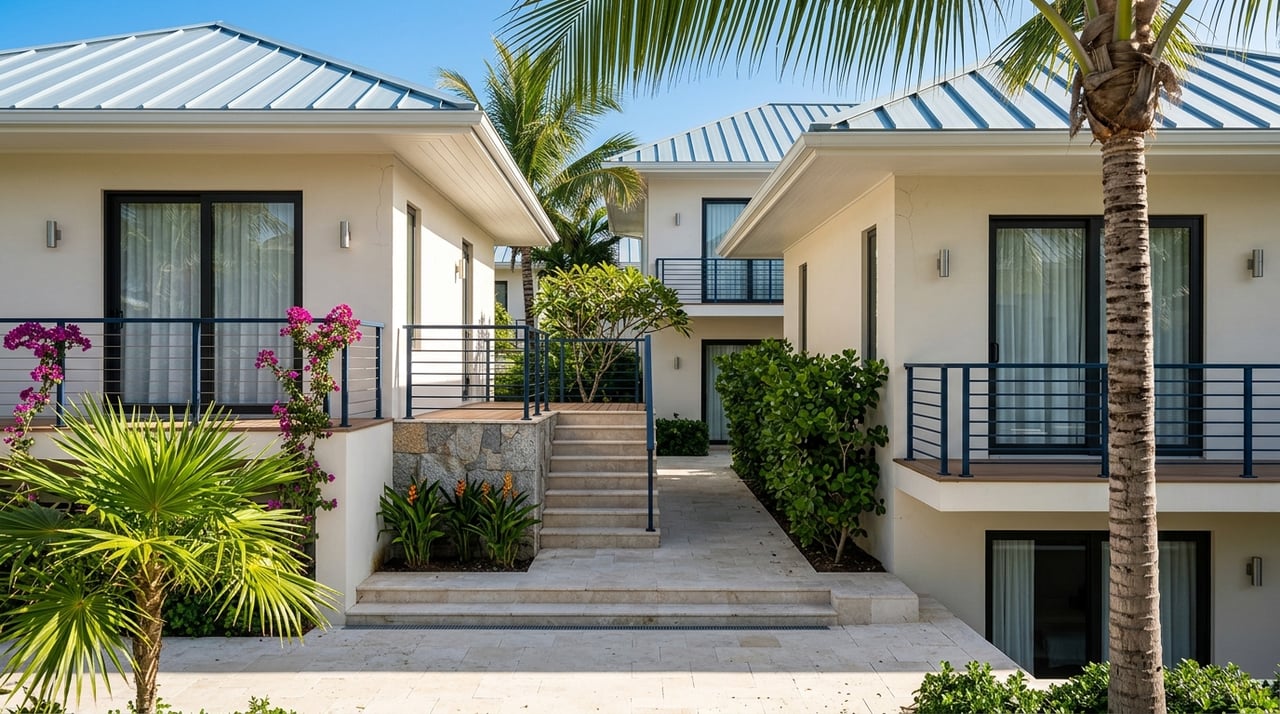
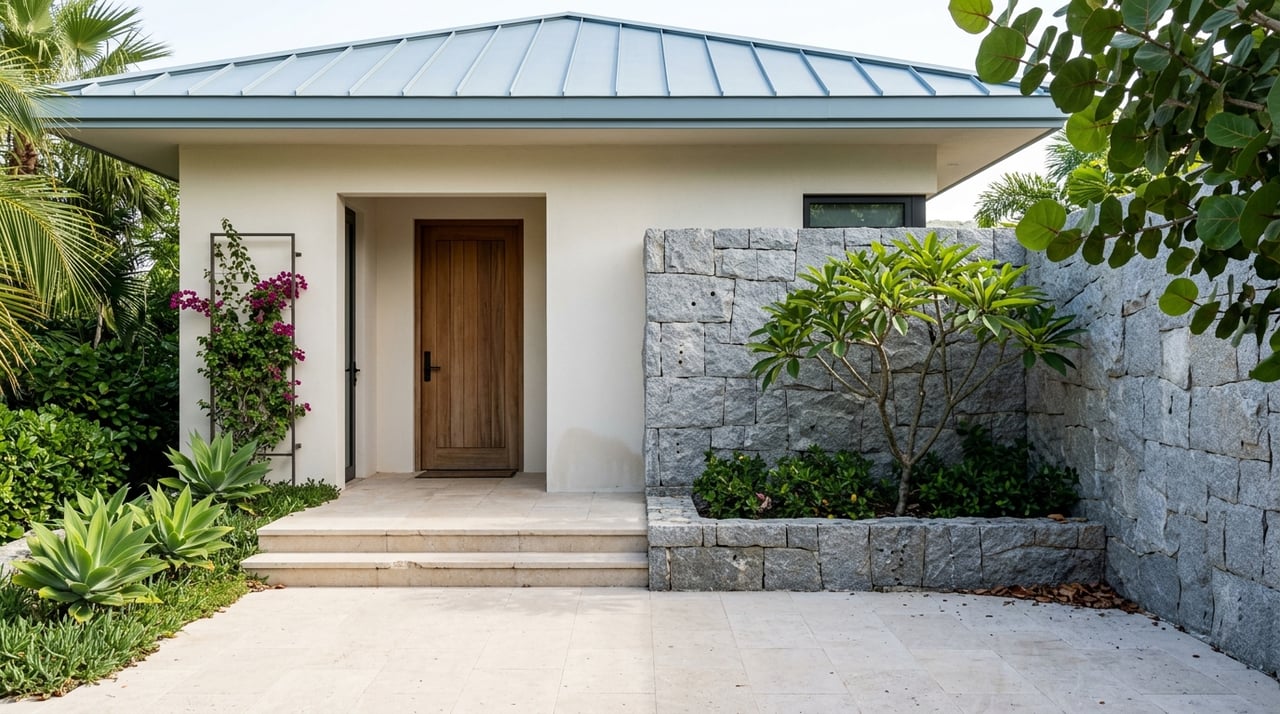
Cooper Island sits in Manchioneel Bay, just south of Tortola, and reads as a low‑density hideaway with a boutique feel. A family‑owned resort anchors the shoreline with a restaurant, rum bar, coffee shop, a small dive shop, and even a solar‑powered microbrewery, reflecting an eco‑minded approach to island life. That combination delivers a calm, private atmosphere with the convenience of on‑bay services close at hand. Overnight density remains low compared to Tortola or Virgin Gorda, which helps protect the restful vibe for owners.
Cooper is boat‑access only, which is part of the charm. Daytime yacht traffic finds a protected mooring field, and evenings settle into a peaceful, village‑by‑the‑sea rhythm. The available residential inventory is very limited, which is why buyers value it for privacy and long‑term hold potential.
Access and arrivals
Fly into Tortola (EIS)
Most international arrivals route through Terrance B. Lettsome International Airport on Beef Island, Tortola. Routes vary by season, often connecting via San Juan, Antigua, or St. Thomas, so it is smart to check current carriers and schedules with the airport’s route listings at EIS, the BVI’s primary air gateway. Once on Tortola, you continue to Cooper by sea.
Sea transfers and yachts
Cooper has no public road link. The Cooper Island Beach Club operates a scheduled supply and guest boat from Road Town on select days, with private transfers available subject to availability. Because times and fares change, confirm options directly using the resort’s current boat transfer information. Many owners also use private tenders or arrange crewed charters for flexible arrivals and provisioning runs.
Immigration and forms
Whether you arrive by air or sea, complete the BVI entry process as required. Visitors can submit arrival and departure details through the BVI Customs and Immigration portal. For sea entries, standard cruising and clearance procedures apply, and charter or dive operators typically handle permits for guests.
Day‑to‑day life for owners
Utilities and off‑grid systems
Cooper’s lifestyle blends comfort with smart self‑reliance. The resort highlights solar generation and water self‑sufficiency, and many private homes across the BVI are designed with rain‑catchment cisterns, septic systems, and standby generators. If you are evaluating land or a villa, confirm what is installed, how it is maintained, and whether supplemental solar or desalination systems are part of the plan. That clarity helps you budget accurately from day one.
Internet and mobile coverage
Resort Wi‑Fi is available for casual use, and owners often layer connectivity for reliability. Expect a mix of local cellular service, eSIMs, and private satellite or cellular boost solutions if you work from home. Mobile signal is generally available in major cruising corridors, though coverage can vary by location, so confirm performance at the specific property.
Provisioning and deliveries
Most owners treat Tortola, particularly Road Town, as the provisioning hub. Full‑line supermarkets and yacht provisioning services can stock and deliver to marinas or coordinate island hand‑offs. If you prefer to outsource the heavy lift, explore yacht provisioning services that serve the BVI. Plan for higher freight and delivery costs than mainland markets and schedule bulk orders to align with guest arrivals.
Healthcare and emergencies
For non‑urgent needs, private clinics on Tortola and Virgin Gorda handle routine care. The main public hospital for emergencies is in Road Town at the Dr. D. Orlando Smith Hospital, historically known as Peebles Hospital, which is the territory’s primary emergency center. Learn more about the facility’s role in the BVI healthcare network here. For major cases, air or sea medevac to larger regional hospitals is sometimes required, so confirm medevac and insurance arrangements in advance.
Maintenance rhythm and recurring costs
A Cooper Island home rewards steady, simple routines. Expect periodic septic servicing, cistern cleaning, generator and solar maintenance, and a plan for boat care if you keep a tender. If you use the mooring field, you will encounter local collection practices for mooring or day‑use fees. Many owners maintain relationships with a trusted captain or on‑island crew to streamline provisioning, guest logistics, and urgent tasks.
Moorings, diving, and nature
Mooring field and bay life
Manchioneel Bay functions as a shared living room for owners and visiting yachts. The beach club reports roughly 30 to 40 moorings with limits by vessel size, with many suited for boats up to about 60 feet. You will rely on moorings rather than marina slips, which helps preserve the bay’s natural feel. Expect local collection of mooring fees and follow guidance to protect reefs by avoiding anchor damage.
Dive and snorkel access
Cooper is a favored rendezvous point for some of the BVI’s headline dive sites. The wreck of the RMS Rhone off Salt Island sits a short boat ride away, and classics like The Indians and the Norman Island caves are typically reached within 5 to 30 minutes by boat, depending on conditions and site choice. Local operators offer pick‑up in the area, and you can confirm options with Sail Caribbean Divers’ Cooper and outer‑islands operations.
Marine parks and conservation
Key dive and snorkel areas are managed with mooring buoys to protect coral. Operators usually organize permits and fees for guests, and frequent divers should budget for routine trip costs and tank logistics. Conservation is core to Cooper’s character, reflected in the resort’s emphasis on solar power, rainwater harvesting, and plastic reduction, which gives the island its distinctive eco‑minded appeal.
Buying on Cooper Island
Can non‑residents buy?
Yes. Foreign purchasers, known locally as non‑Belongers, typically obtain a Non‑Belonger Land‑Holding Licence. Purchase agreements are commonly conditional on securing this licence, and the process includes advertising the sale locally and providing references. You can review the government’s guidance for the licence process on the Government of the Virgin Islands site.
Stamp duty and taxes
On completion, transfers are subject to stamp duty assessed by Inland Revenue. Published guidance shows higher rates for non‑Belongers, and many recent transactions reference a conventional 12 percent figure. Always verify the current rate and application rules with the authority at the time of sale using the Inland Revenue stamp duty guidance.
Timeline and key steps
A typical path includes an accepted offer and deposit, a contract with a licence condition, public advertising, submission of the licence application, and government review. Approval timing can run several months, followed by completion and registration. A local conveyancing attorney will coordinate filings and keep your transaction on track.
Planning and building
Development is governed by local planning and building control. Larger or more complex coastal works and infrastructure projects may require environmental review. If you plan to build or significantly alter a property, get early advice on design standards, approvals, and timelines.
Insurance and hurricanes
The BVI is within the Atlantic hurricane belt, with the season officially from June 1 to November 30. Property and yacht policies in the region often include windstorm or named‑storm deductibles and clauses that affect coverage. For seasonal context, consult the National Hurricane Center’s seasonal information. Work with brokers experienced in Caribbean placements to confirm coverage limits, deductibles, and hurricane‑hardening requirements.
What quiet luxury looks like here
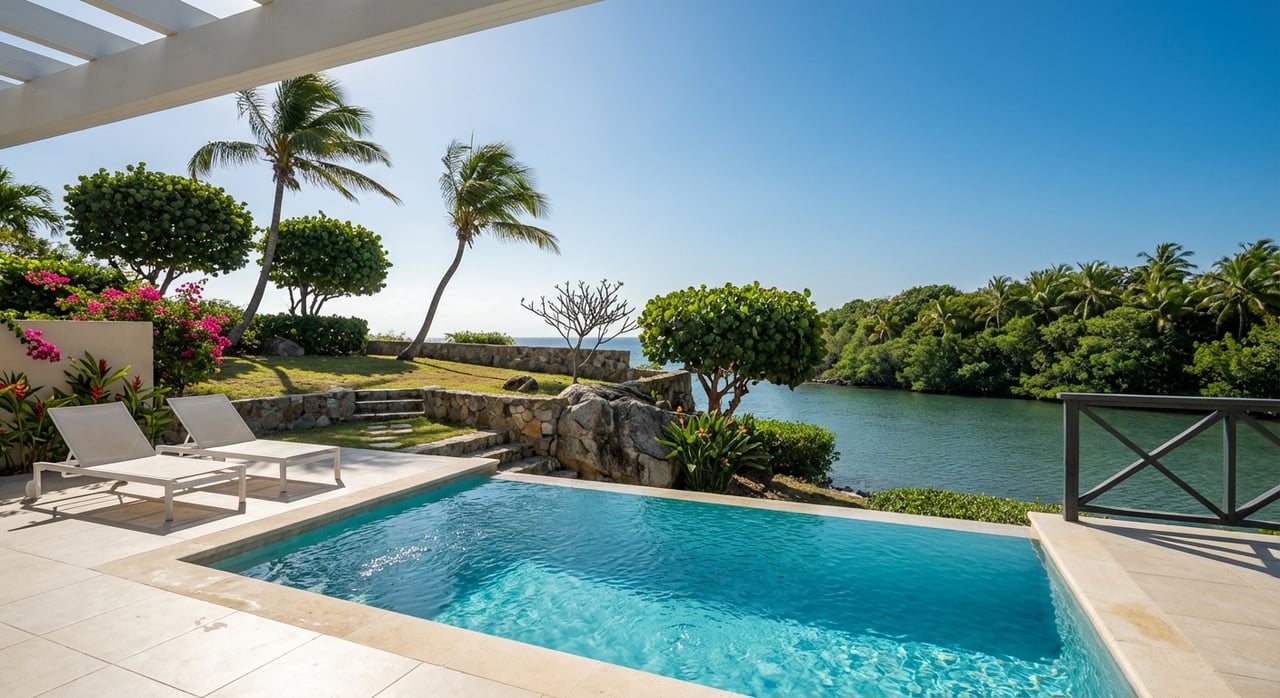
Cooper’s rhythm is simple and restorative. Mornings start with a swim in clear water, followed by coffee on a shaded deck. If you choose to head out, the best dives in the BVI are minutes away. Evenings bring an easy social scene on the beach or a quiet night on your terrace, with the lights of yachts swinging gently on their moorings.
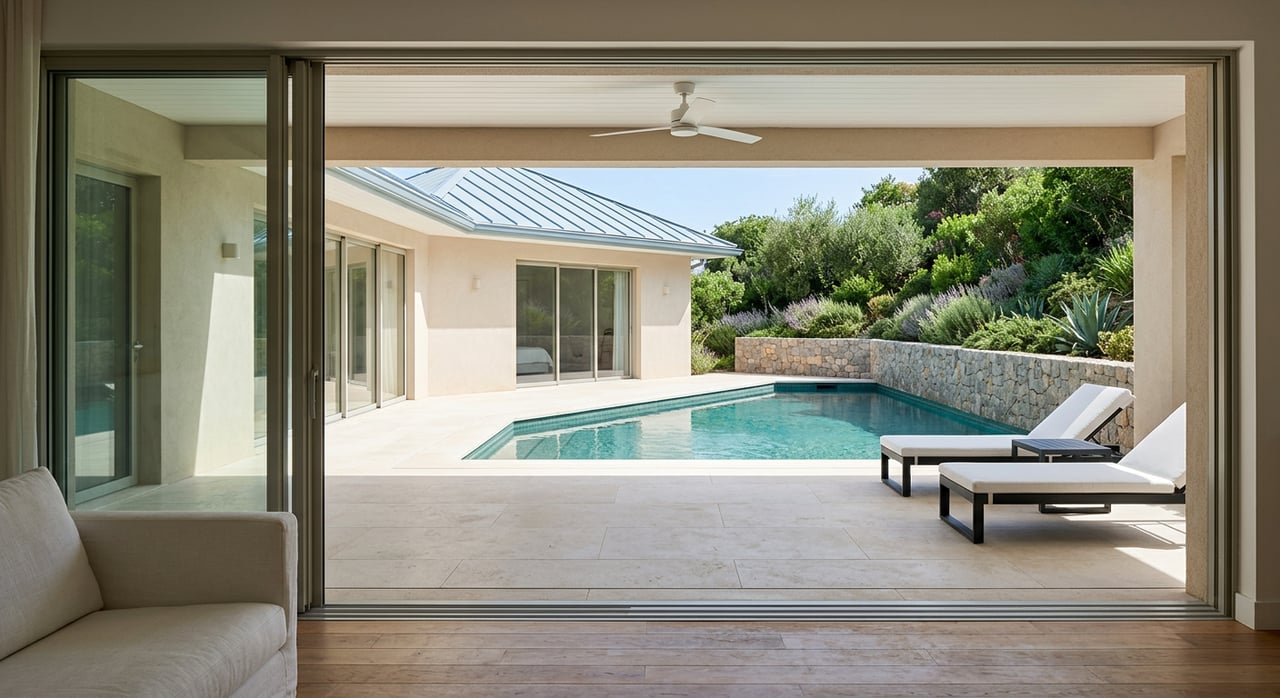
For owners, the appeal is privacy without isolation. You have services on your doorstep, easy rendezvous points for charters and friends, and a protected bay that feels like home. It is rare inventory by design, which is why buyers often hold long term.
Buyer checklist for Cooper Island
Before you take the next step, use this quick list to organize your due diligence:
- Confirm licence status. Do you need a Non‑Belonger Land‑Holding Licence, and what documents will your attorney require to submit?
- Verify utilities. Document cistern capacity, water systems, solar arrays, generators, septic, and maintenance records.
- Plan for connectivity. Test cellular performance at the property and price any boosters, satellite, or backup systems you want.
- Map your logistics. Outline provisioning runs, boat access, and preferred transfer options with current schedules and costs.
- Budget recurring costs. Include mooring and day‑use fees, generator fuel, septic service, property insurance, and deliveries.
- Prepare for emergencies. Confirm medevac coverage and know the route to the Dr. D. Orlando Smith Hospital in Road Town.
Ready to explore ownership opportunities on Cooper Island and the outer islands with a trusted, on‑island advisor? Reach out to Christies BVI Residential to start a confidential conversation and see current availability.
FAQs
How do you reach Cooper Island if you own a villa?
- Fly into Tortola’s EIS airport, then transfer by sea using the resort’s scheduled boat, a private tender, or a crewed charter, with all times and fares confirmed directly.
What utilities do Cooper Island homes typically use?
- Most rely on rain‑catchment cisterns, septic systems, and backup generators, often with solar and water systems sized to the home’s occupancy and use.
Can non‑residents buy property on Cooper Island in the BVI?
- Yes, non‑Belongers can buy, typically with a Non‑Belonger Land‑Holding Licence, which adds a government review step to the transaction.
What are the mooring options off Cooper Island?
- Manchioneel Bay has a protected mooring field with locally managed fees and limits by vessel size, commonly accommodating boats up to about 60 feet.
How close is the RMS Rhone dive site to Cooper Island?
- The wreck is a short boat ride from Cooper, and operators offer rendezvous pick‑ups for convenient access to the site and nearby reefs.
What should you know about hurricane insurance in the BVI?
- Policies often include named‑storm or windstorm deductibles, so confirm coverage limits, deductibles, and storm‑season requirements with a Caribbean‑experienced broker.