Choosing between White Bay, Great Harbour, and Little Harbour on Jost Van Dyke can feel like picking your favorite shade of turquoise. Each bay offers something different: high‑energy beach days, a walkable village scene, or calm, low‑key evenings. Whether you’re buying for pure lifestyle, income potential, or both, the right fit comes down to vibe, access, and operations. In this guide, you’ll learn how each pocket lives, what guests expect, and the ownership rules that shape your plan. Let’s dive in.
How to frame your decision
Before you fall for a view, get clear on three things:
- Your day‑to‑day lifestyle. Do you want buzz and walkability or privacy and quiet?
- Your rental strategy. Do you prefer high occupancy with more turnover or steadier, quieter stays?
- Your guest logistics. How will guests arrive, anchor, and get to the door?
These answers will point you to the right bay and help you price renovations, utilities, and turn‑key features that guests value.
The island at a glance
Jost Van Dyke is small and lightly populated, with yachting and tourism at its core. The main anchorages are Great Harbour, White Bay, Little Harbour, and Little Jost Van Dyke off the east end. That compact scale makes every location feel close, but each bay has a distinct rhythm and guest profile. For island basics and context, see the overview of Jost Van Dyke.
Territory‑wide, visitor arrivals rebounded strongly after the 2017 storms, with the BVI welcoming over one million total visitors in 2024. That recovery supports demand for vacation homes and short‑term stays, especially around the busiest anchorages and ferry ports. You can review trends in the Premier’s territorial address update on visitor arrivals.
White Bay: iconic beach energy
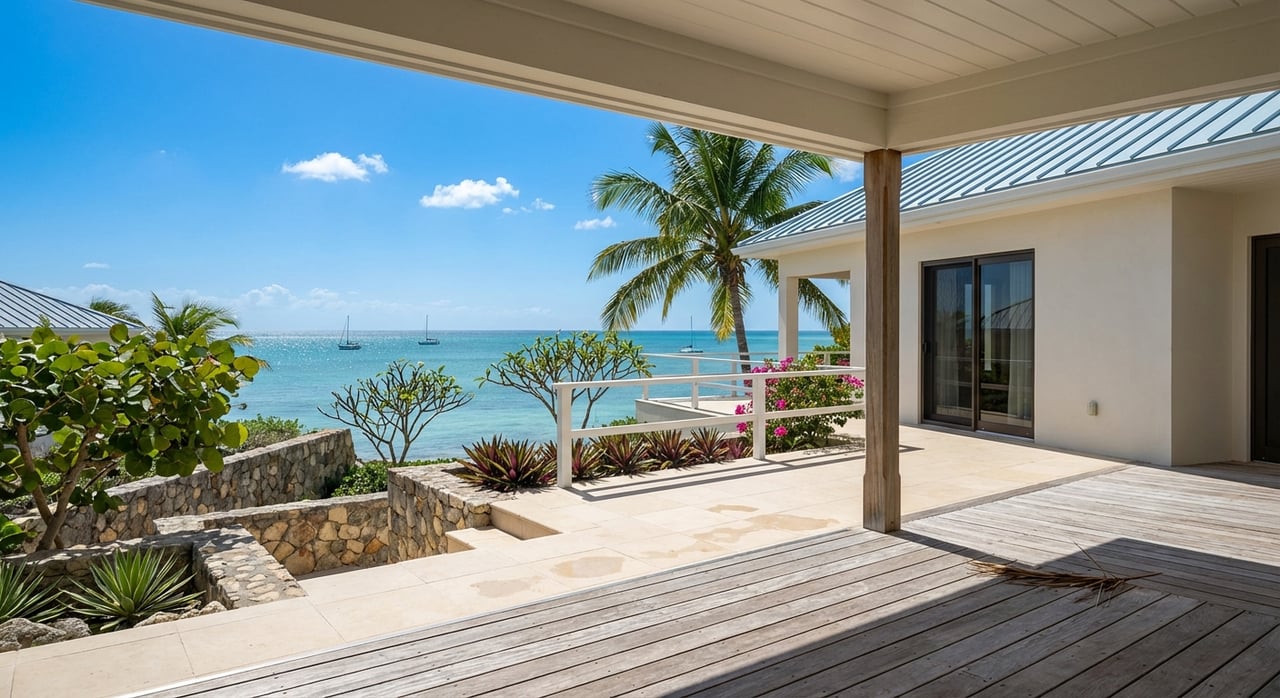
White Bay is the island’s day‑party postcard. If you picture a white sand arc, turquoise shallows, and beach bars steps from the water, this is it.
- Access: Guests often arrive by taxi from Great Harbour or by dinghy or private water taxi. If your home offers easy dinghy access, that is a rental plus for charter guests. See common ferry and water taxi options to Jost Van Dyke.
- Atmosphere: Expect lively days, music, and crowds during high season and weekends. Guides note that White Bay’s beach‑bar scene is a defining, often loud daytime feature. Read a local take in this guide to White Bay’s vibe.
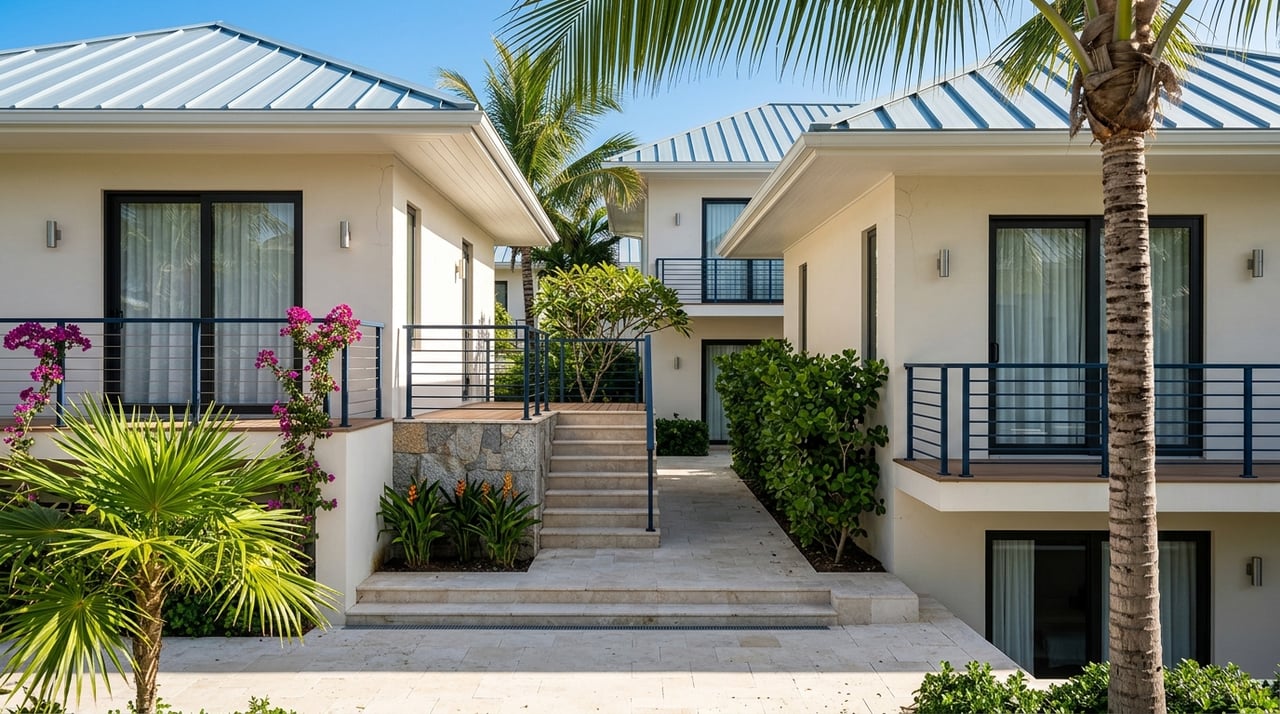
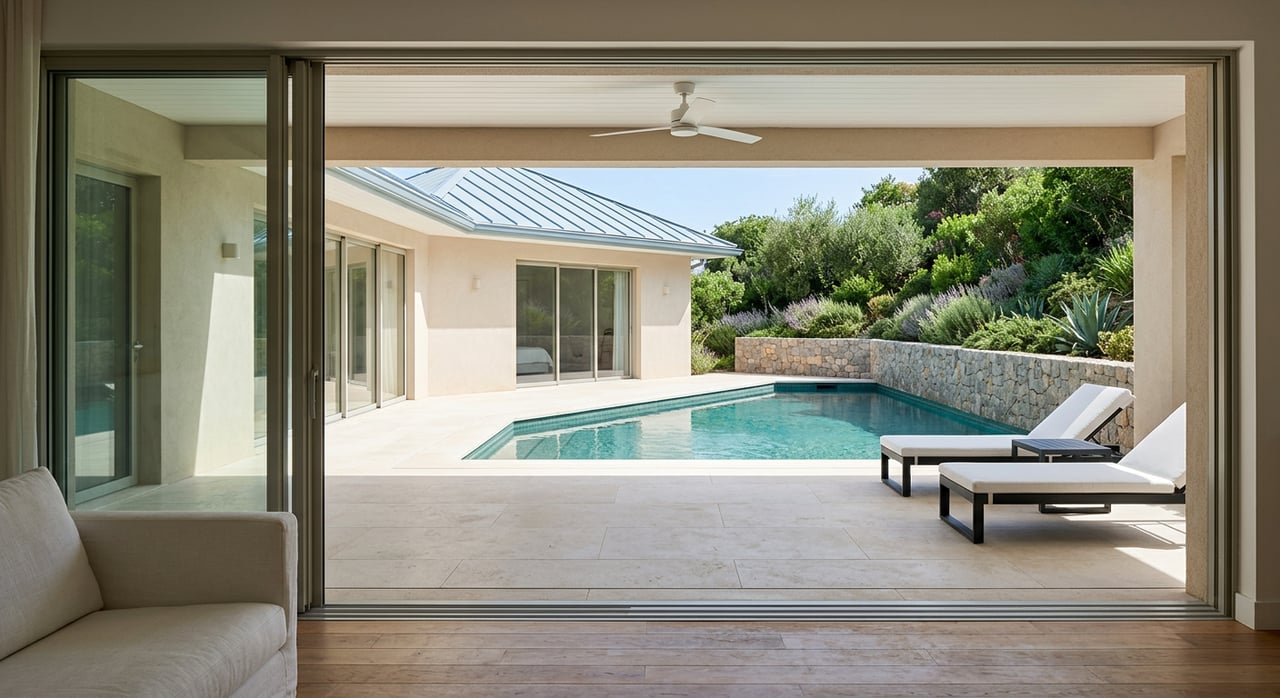
- Homes and land: Beachfront is limited and commands a premium. You’ll see beachfront cottages and architect‑led villas, often with large cisterns and backup power for resiliency.
- Rental potential: Strong, driven by walk‑in beach traffic and charter guests. Model higher turnover costs, guest transport, and the reality that day‑anchorage congestion can affect timing and tranquility.
- Best for: Owners who want a high‑energy vacation home or investors comfortable with active short‑term operations.
Great Harbour: lively village convenience
Great Harbour is the island’s main port and community hub. It blends convenience with an authentic village rhythm.
- Access: The ferry dock and customs are here, along with small shops and restaurants. That makes guest arrivals simple and management visits easy. For schedules and routes, check ferry options to Jost Van Dyke.
- Atmosphere: Social and walkable, with events that can spike noise at times, notably around Foxy’s and holidays. Day to day, it supports year‑round residential life alongside tourism.
- Homes and land: Smaller plots and hillside homes near the dock. Proximity to the main street is convenient for guests and staff.
- Rental potential: Dependable, especially for guests who value dining choices and easy transport.
- Best for: Buyers who want a balanced mix of convenience, community, and solid rental demand.
Little Harbour: quieter, dinner‑time charm
Little Harbour sits just over the hill from Great Harbour and reads as calm and sheltered.
- Access: Reachable by a short road or by water, it is known for quieter evenings and a sheltered anchorage at dinner time. See a practical overview in this guide to visiting Jost Van Dyke.
- Atmosphere: Family‑run restaurants and a low‑density feel. Nights come alive for lobster dinners, but overall it stays moderate and local in character.
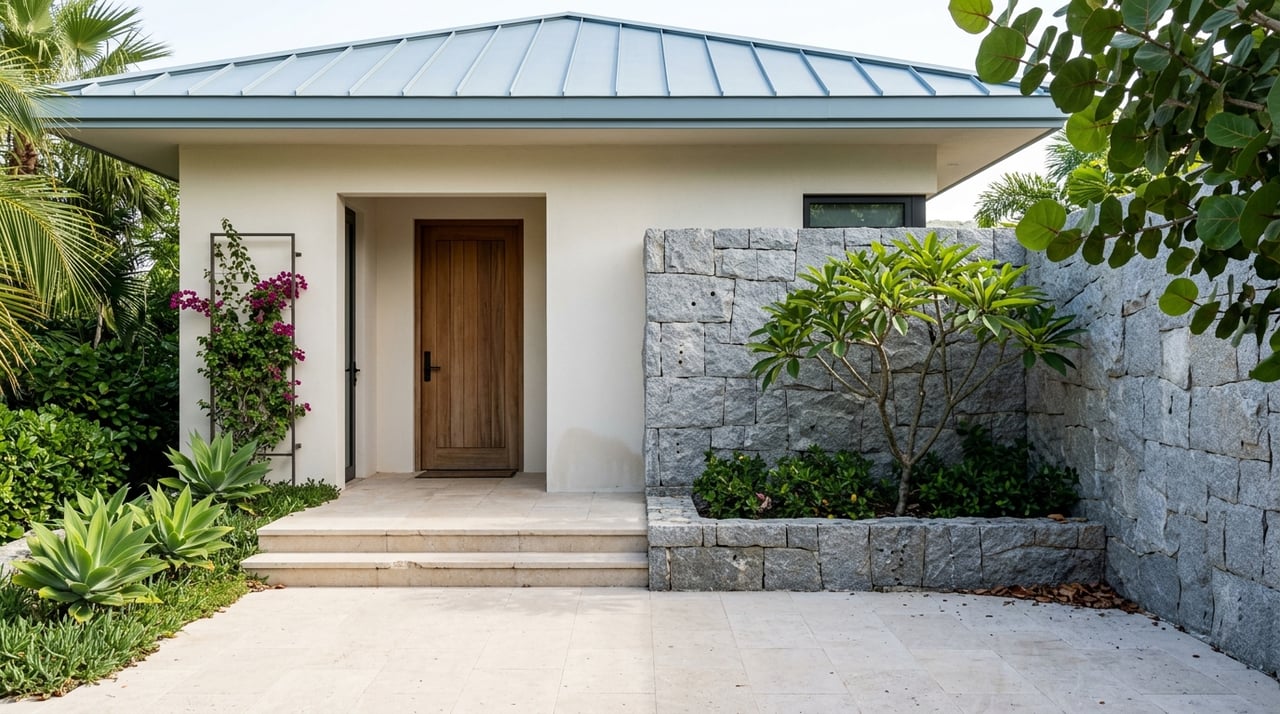
- Homes and land: Smaller villas and guesthouses with privacy and water views. A good fit if you want calm, yet easy access to Great Harbour.
- Rental potential: Niche and high quality. Attracts guests who favor quiet evenings over beach‑bar afternoons.
- Best for: Owners prioritizing privacy and a relaxed pace with close‑by amenities.
Little Jost Van Dyke: off‑grid appeal
Little Jost Van Dyke is a small islet off the east end, with very limited development and a private feel. It suits buyers seeking boat‑first access and seclusion rather than a walkable village scene. For general context, see the island overview.
Moorings, anchorage, and guest logistics
If your guests arrive by yacht, mooring access and a simple dinghy plan can make or break the experience.
- Mooring reality: Jost’s popular bays mix first‑come mooring balls and reservable options through BoatyBall. Great Harbour and White Bay fill early in season. Review BoatyBall mooring locations and guidance.
- Daytime congestion: White Bay in particular gets crowded by midday in peak periods, which brings fun energy but also practical noise and activity. See this local guide on crowd patterns.
- Owner playbook: If moorings matter to your target guests, highlight the nearest field, note check‑in times, and include clear dinghy docking or beach landing instructions in your welcome materials.
Infrastructure and resiliency reality
Island services work well most of the time, but smart planning keeps your home guest‑ready in all seasons.
- Power: Jost is usually supplied by a subsea cable from Tortola. When damaged in the past, temporary generators served the island, which can mean outages. It is wise to budget for backup generation or solar plus battery. See the government’s update on cable repairs and service.
- Water: Most homes rely on cisterns and rain capture with filtration. Confirm cistern capacity and any desal or municipal connection. The visitor guide’s practical notes reflect how common cistern reliance is across the island.
- Internet and mobile: Cellular and Wi‑Fi options exist in main settlements, but speeds can vary in remote coves. Verify coverage on site.
- Health and safety: Clinics serve the community, with the main hospital on Tortola. For serious emergencies, expect medevac to Tortola or beyond. Review the territory’s health services overview.
- Hurricanes: The island sits in the Atlantic hurricane belt and saw severe damage during Hurricane Irma in 2017. Rebuild standards have improved, but exposure remains a core insurance and construction factor. See the historic context on Irma’s impact.
Ownership rules that shape your plan
If you are a non‑Belonger, purchase timelines and taxes are different from a typical domestic deal. Build them into your plan from day one.
- Non‑Belonger Land Holding Licence: You must obtain a license tied to the specific property before completion. Applications take months, and conditions can include development commitments. Read the guide to purchasing and the NBLHL.
- Stamp duty: The commonly cited rate for non‑Belongers is 12 percent on the higher of price or appraised value. Belongers typically pay 4 percent. Include legal, survey, and filing fees in your model.
- Short‑term rentals: Many villas operate as rentals, but you must comply with local licensing and accommodation tax rules. Confirm in writing that a property’s approvals permit short‑term letting. For broad reference, see Airbnb’s note on BVI accommodation tax collection, then verify current rates with Inland Revenue.
Lifestyle vs investment: what each bay delivers
- White Bay: Highest daytime foot traffic and brand recognition. Strong income potential from short stays and beach‑first travelers. Expect higher wear and turnover, more logistics, and daytime noise.
- Great Harbour: Year‑round village life with steady demand anchored by ferries, dining, and services. Good for mixed personal use and rental.
- Little Harbour: Calmer, with dinner‑time yacht visits and quieter overnights. Generally attracts guests seeking peaceful evenings with easy access to Great Harbour.
Due‑diligence checklist for Jost Van Dyke buyers
Use this as a starter list during offer and inspection periods:
Legal and title
- Engage an experienced BVI conveyancing lawyer.
- Confirm whether you need an NBLHL and start the application early.
- Verify covenants, rights of way, and any seabed or dinghy access rights.
Taxes and fees
- Model stamp duty at 12 percent for non‑Belongers and 4 percent for Belongers.
- Include legal, survey, and filing fees.
- Confirm current accommodation tax and any licensing requirements for rentals.
Utilities and resiliency
- Ask for recent electricity bills and confirm current power supply status.
- Verify cistern size, water treatment, and septic.
- Check mobile and broadband coverage at the property.
- Budget for a generator or solar plus battery.
Insurance and construction
- Obtain written hurricane insurance quotes.
- Confirm local build standards for any planned works, including roof tie‑downs and wind resistance.
Rental operations
- Line up a local property manager and cleaners.
- Map guest logistics from ferry or water taxi to the door.
- Document mooring options and dinghy landing for yacht guests.
Which bay is right for you?
- Choose White Bay if you want a front‑row beach life and are ready to run an active short‑term rental with strong brand appeal.
- Choose Great Harbour if convenience, services, and a balanced guest profile matter, and you plan a mix of personal use and dependable rental.
- Choose Little Harbour if you value quiet, dinner‑time charm, and privacy while staying close to the village.
Ready to compare specific homes, yields, and guest logistics by bay? Let’s talk through options that fit your lifestyle and revenue goals. Connect with Christies BVI Residential to explore villas and build a plan tailored to you.
FAQs
What is the difference between White Bay and Great Harbour on Jost Van Dyke?
- White Bay brings lively daytime beach‑bar energy and heavy day‑boat traffic, while Great Harbour is the main village with walkable services and event‑driven nightlife.
Is Little Harbour on Jost Van Dyke a good fit for quiet living?
- Yes, Little Harbour is generally calmer with family‑run restaurants and quieter evenings, appealing to owners who value privacy and low‑key dining.
How do visitors usually get to Jost Van Dyke and between bays?
- Most arrive by ferry or private water taxi to Great Harbour, then use taxis or boats to reach White Bay or Little Harbour; schedules vary seasonally, so confirm current timings.
Are there reliable moorings near Jost Van Dyke villas for yacht guests?
- Popular bays mix first‑come moorings and reservable BoatyBall buoys, but fields can fill early in peak seasons, so guests should plan ahead.
What should non‑Belonger buyers know about BVI purchase rules on Jost Van Dyke?
- You will likely need a Non‑Belonger Land Holding Licence before completion and should model 12 percent stamp duty, plus confirm rental licensing and accommodation tax for short‑term letting.