By CIRE | British Virgin Islands
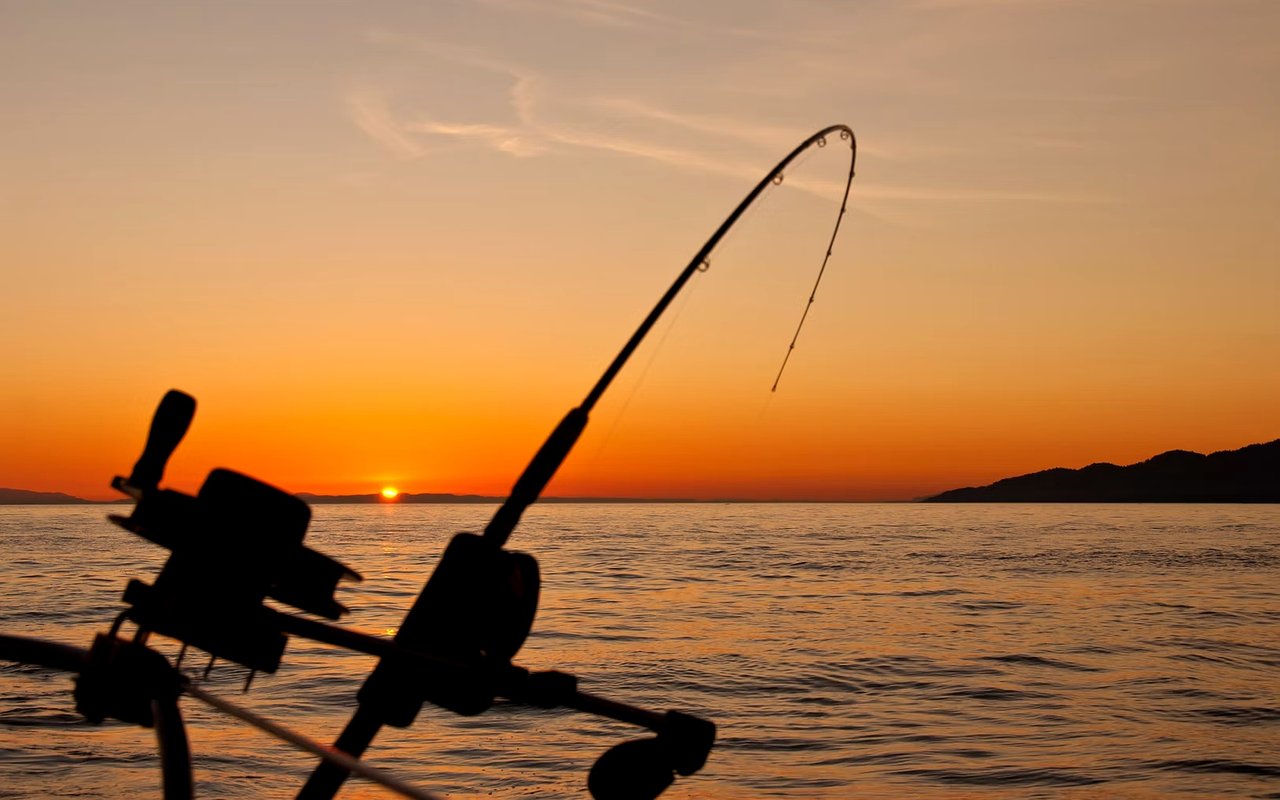
A rod bending at sunrise, a reel singing, and a deep blue horizon make a compelling case for a day on the water. Tortola sits within reach of the North Drop and South Drop, two deep-water edges known for blue marlin, sailfish, and yellowfin tuna, according to The Moorings. Closer in, reefs, mangroves, and flats offer a quieter style of fishing. We outline how to plan a trip, what to ask a captain, and which local rules deserve respect.
Key Takeaways
- Offshore targets: The North and South Drops are known for marlin, sailfish, tuna, mahi-mahi, and wahoo.
- Seasons: Reef fishing runs year-round, and guides differ on peak offshore timing, so ask captains what is biting for your dates.
- Permits: Non-resident anglers typically need a BVI fishing licence, so apply well ahead of the trip (apply at least 2 weeks in advance).A permit costs $45 per person and is valid for 30 day
- Conservation: National parks and marine protected areas are closed to fishing, and protected species must be released.
Offshore Fishing at the North and South Drops
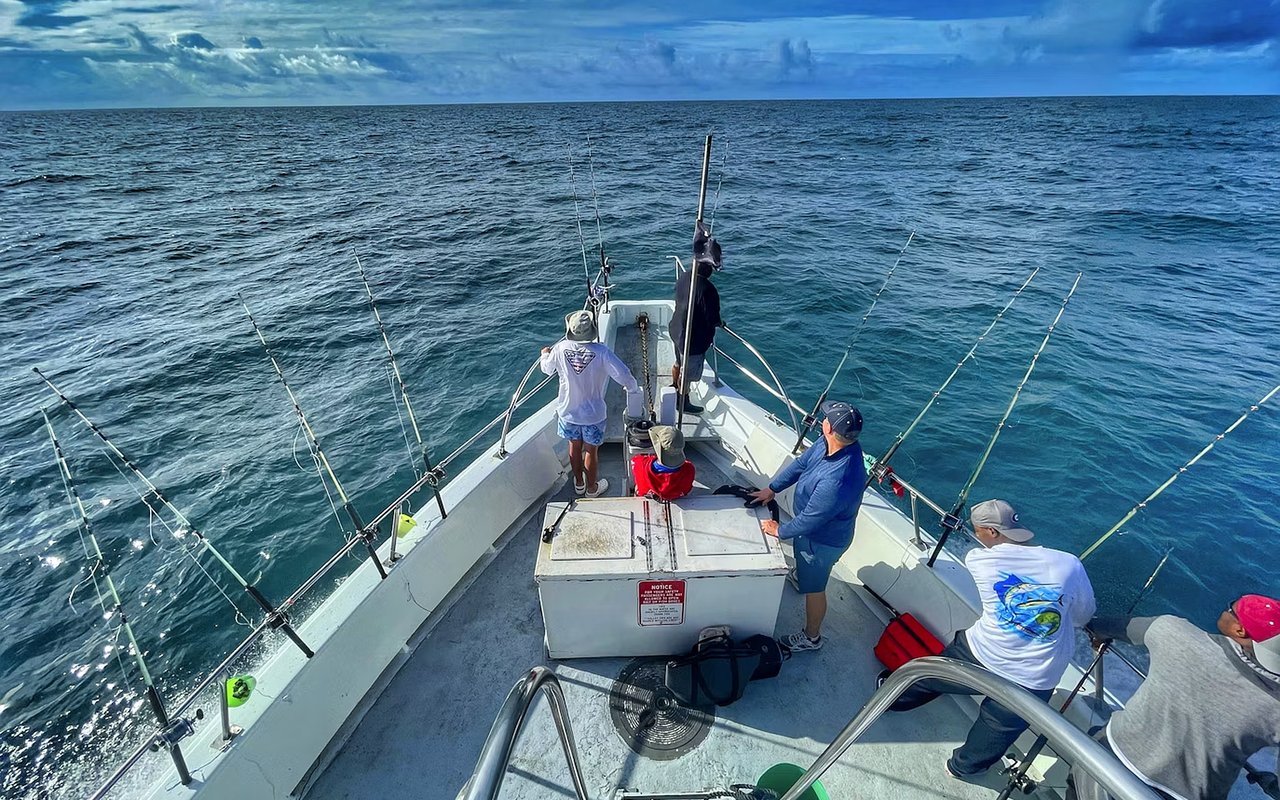
The North Drop and South Drop are deep-water edges near the islands where trolling can produce blue marlin, sailfish, and yellowfin tuna, according to The Moorings. Mahi-mahi and wahoo also turn up on trolling spreads, which makes a half-day or full-day trip rewarding.
Offshore Trip Details to Confirm
- Boat and crew: Ask about vessel size, captain experience, and included tackle.
- Trip length: Half-day and full-day outings suit different goals and sea conditions.
- Release practices: Catch-and-release is encouraged for marlin, so ask how the crew handles it.
Offshore runs depend on weather and sea state, so flexibility helps. We suggest booking a day with a backup day nearby.
Reef and Bottom Fishing Near the Islands
Reefs around Virgin Gorda host snapper and grouper, while trolling near Jost Van Dyke can bring mahi-mahi and wahoo, according to The Moorings. Bottom fishing suits families and first-timers who want steady action in calmer water.
Reef Trip Tips
- Species awareness: Some large reef predators carry ciguatera risk, so follow the captain's guidance on what to keep.
- Gear: Light tackle and simple rigs help beginners enjoy the day.
- Start time: Early starts often bring cooler air and calmer water.
A relaxed reef trip pairs well with a lunch stop on a nearby beach. We recommend asking the captain about anchoring spots and park boundaries.
Flats and Mangroves for Tarpon and Bonefish
Anegada's flats are known for bonefish, while mangrove areas near Tortola attract tarpon, according to The Moorings. Fly and light-spin anglers often prefer these quiet waters for sight fishing.
Flats Fishing Details
- Bonefish: The Moorings points to the cooler months, November through February, for inshore bonefish.
- Tarpon: Mangrove edges and calm creeks can hold tarpon at certain times of year.
- Guides: Specialist guides know tides, wind, and the best light for sight casting.
Flats days involve longer boat rides, so transport planning matters. We suggest checking recent reviews and asking operators for current permit details.
Permits, Rules, and Protected Waters
Non-resident anglers typically need a BVI fishing licence, and two charter guides describe lead times from about ten business days to several weeks. Anglers must also stay out of national parks and marine protected areas, according to one guide.
Rules Worth Knowing
- Licence timing: Apply early and confirm current requirements with the territory's fisheries department.
- Vessel permits: One guide advises asking whether the specific boat holds the required fishing permit.
- Protected species: Turtles, sharks, and goliath groupers are among species that must be released unharmed, according to one guide.
Rules change, so official sources should have the last word. We encourage visitors to confirm details before booking.
A Charter Day Plan From Tortola
Tortola's marinas serve as launching points for many fishing outings, and Soper's Hole at West End is a popular stop for supplies and lunch. A short checklist turns a loose idea into a smooth day.
Charter Checklist
- Group size: Confirm how many anglers the boat accommodates and what the price includes.
- What to bring: Sun protection, a light layer, snacks, and motion remedies if needed.
- Cancellation terms: Weather can change plans, so review the operator's policy.
Many homeowners in the BVI treat fishing days as a regular part of island life. We are glad to talk about the lifestyle if you are considering a home here.
FAQs
What should I look for in fishing charters BVI visitors recommend?
Look for licensed captains, clear pricing, and a boat registered for recreational fishing. Reviews and a direct conversation about your goals help narrow the field. We can share local resources on request.
Do I need a fishing licence in the BVI?
Non-resident anglers generally need a pleasure fishing licence, according to charter guides. Requirements and fees can change, so confirm with the fisheries department. Operators can often explain the process.
When is the best time to fish?
Reef fishing runs year-round, and guides differ on peak offshore timing, with one citing November through May and another June through September. A captain can advise on what is biting for your dates. Flexible dates improve your odds.
Contact Us Today
Island days like these are part of the lifestyle our team knows well, and we at CIRE | British Virgin Islands are glad to talk about homes near the water.