By CIRE | British Virgin Islands
A small island can still hold a long list of reasons to lace up your shoes. Measuring roughly three square miles, Jost Van Dyke is volcanic and mountainous. Its highest peak, Majohnny Hill, rises approximately 1,054 feet above sea level. Trails across the island link Great Harbour, White Bay, and secluded coastal viewpoints—and almost every walk ends near a beach bar or a cooling swim. Below is our guide to the top hiking spots on Jost Van Dyke and how to prepare for each.
Key Takeaways
- Majohnny Hill: The island's highest summit offers a rewarding, steady climb with panoramic 360-degree views.
- Great Harbour to White Bay: A popular trail over the ridge connecting two of the island's most iconic hubs.
- Bubbly Pool: A short coastal hike leading to a natural tidal pool that surges like a natural jacuzzi during high swells.
- Sandy Cay: An offshore nature reserve featuring a loop trail maintained by conservation teams.
- Diamond Cay: A 1.25-acre national park and designated bird sanctuary off the island's eastern coast.
Majohnny Hill and the Island’s High Point
Reaching an elevation of roughly 1,054 feet, Majohnny Hill is the highest point on Jost Van Dyke. Climbing to its summit rewards hikers with sweeping 360-degree views across the entire island, Tortola, St. John, and the surrounding waters.
Climb Preparation
- Start Early: High humidity and tropical sun make an early morning ascent much more comfortable.
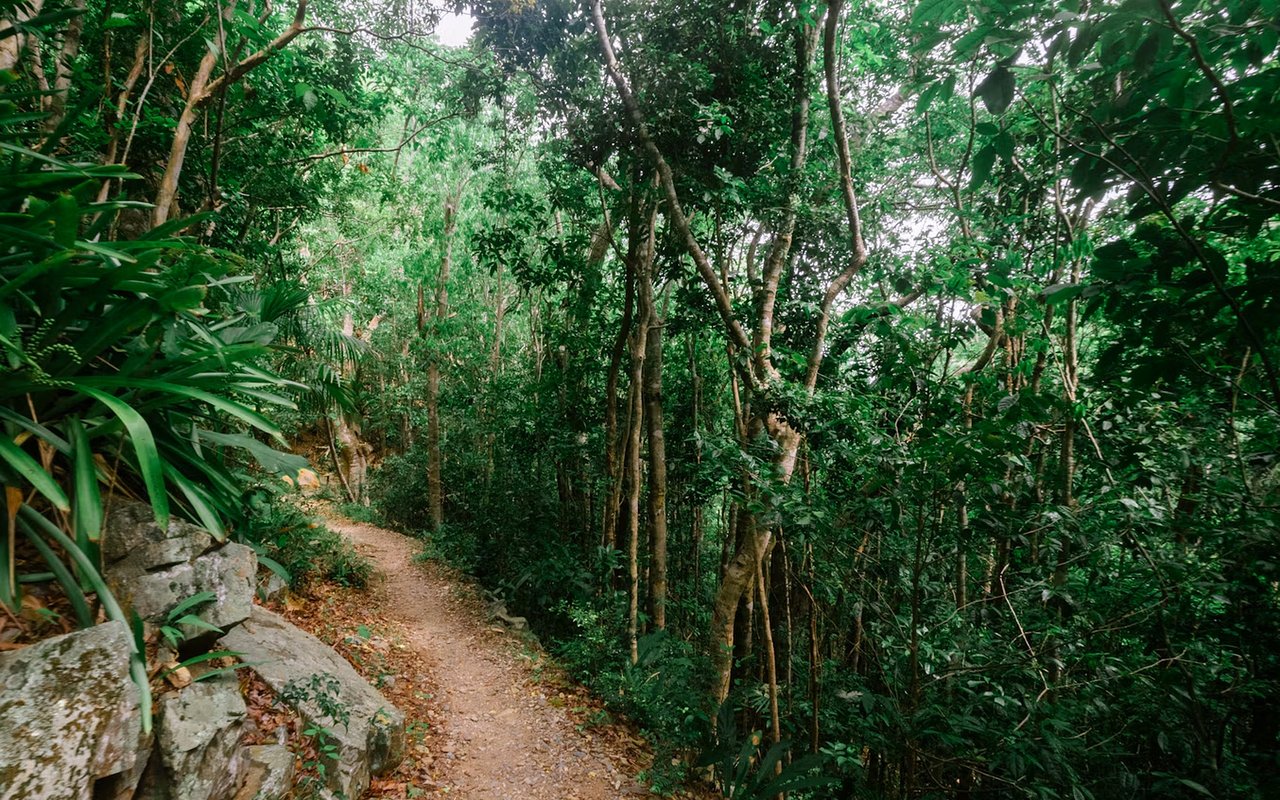
- Footwear: Choose sturdy hiking shoes or trail runners; the dirt roads and paths up the hill are steep and uneven.
- Water & Sun Protection: Shade is limited along the upper ridges. Carry at least 1.5 liters of water, apply sunscreen, and wear a wide-brimmed hat.
Great Harbour to White Bay Over the Hill
This scenic walk links two famous beach spots: Foxy’s Tamarind Bar in Great Harbour and the Soggy Dollar Bar in White Bay. Crossing the hill takes around 15 to 20 minutes on foot.
Walk Details
- Distance & Time: Short and accessible, making it suitable for most fitness levels.
- Terrain: Expect an incline and paved-to-dirt road surfaces. Closed-toe shoes are recommended over flip-flops for the climb.
- Water Access: Wear a swimsuit under your hiking clothes so you can dive straight into the turquoise waters of White Bay.
- Financial Tip: Jost Van Dyke has only one ATM and no full-service bank branches, so it's a good idea to have sufficient cash on hand for meals, drinks, taxis, and other local expenses.
The Bubbly Pool Coastal Trail
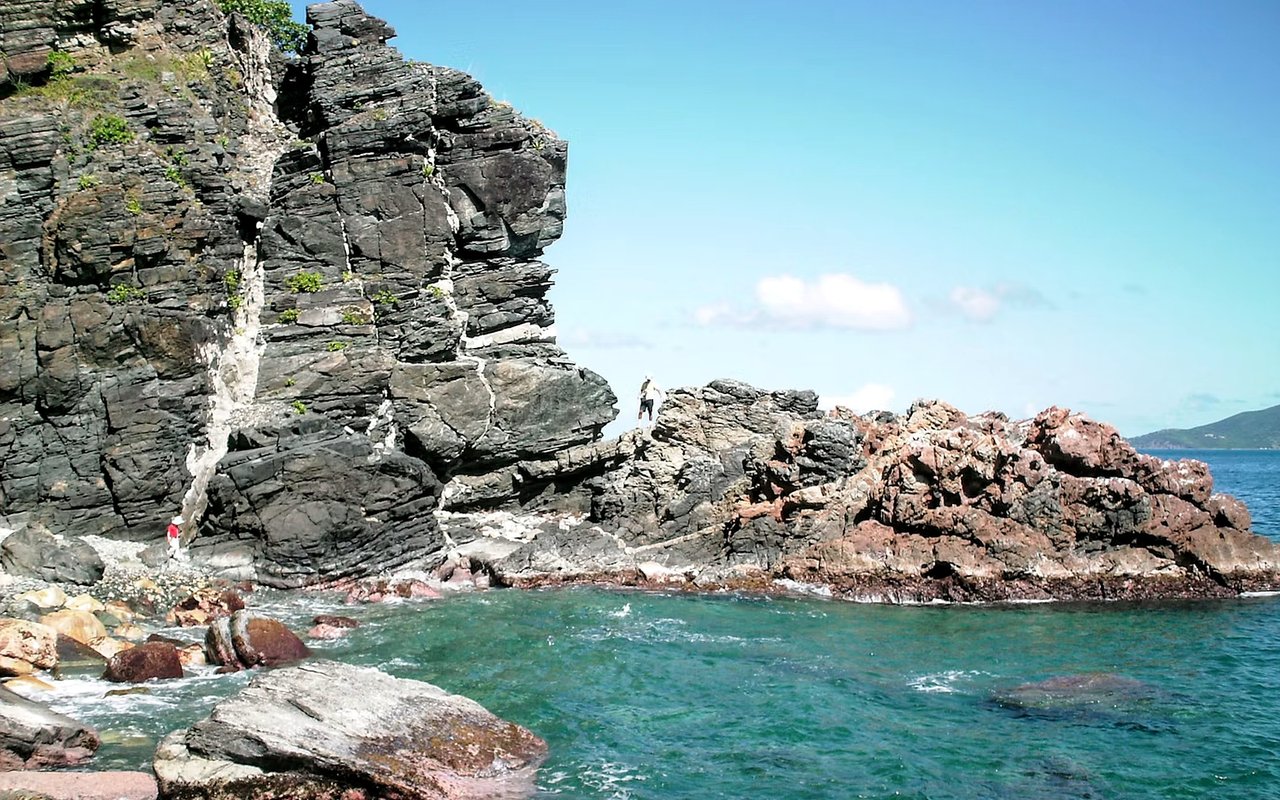
Located near Diamond Cay on the island's eastern side, the trail to the Bubbly Pool is an easy 15-minute coastal walk. The pool itself is a natural rock formation that fills with frothy sea foam when North Atlantic swells crash through the narrow breach.
Bubbly Pool Notes
- Tide & Swell: The "bubbly" effect depends heavily on ocean swells. On calm days, the pool is a peaceful, still swimming hole. Ask local captains or residents about sea conditions before heading out.
- Slippery Rocks: The rock surfaces surrounding the pool are jagged and slippery when wet. Water shoes with grip are highly recommended.
The Sandy Cay Trail Off the Coast
Sandy Cay is a pristine, 13.57-acre uninhabited islet situated between Tortola and Jost Van Dyke. In 2008, the island was formally gifted to the BVI National Parks Trust by the estate of Laurance S. Rockefeller. Today, the Jost Van Dyke Preservation Society (JVDPS) helps maintain its botanical loop trail.
Sandy Cay Basics
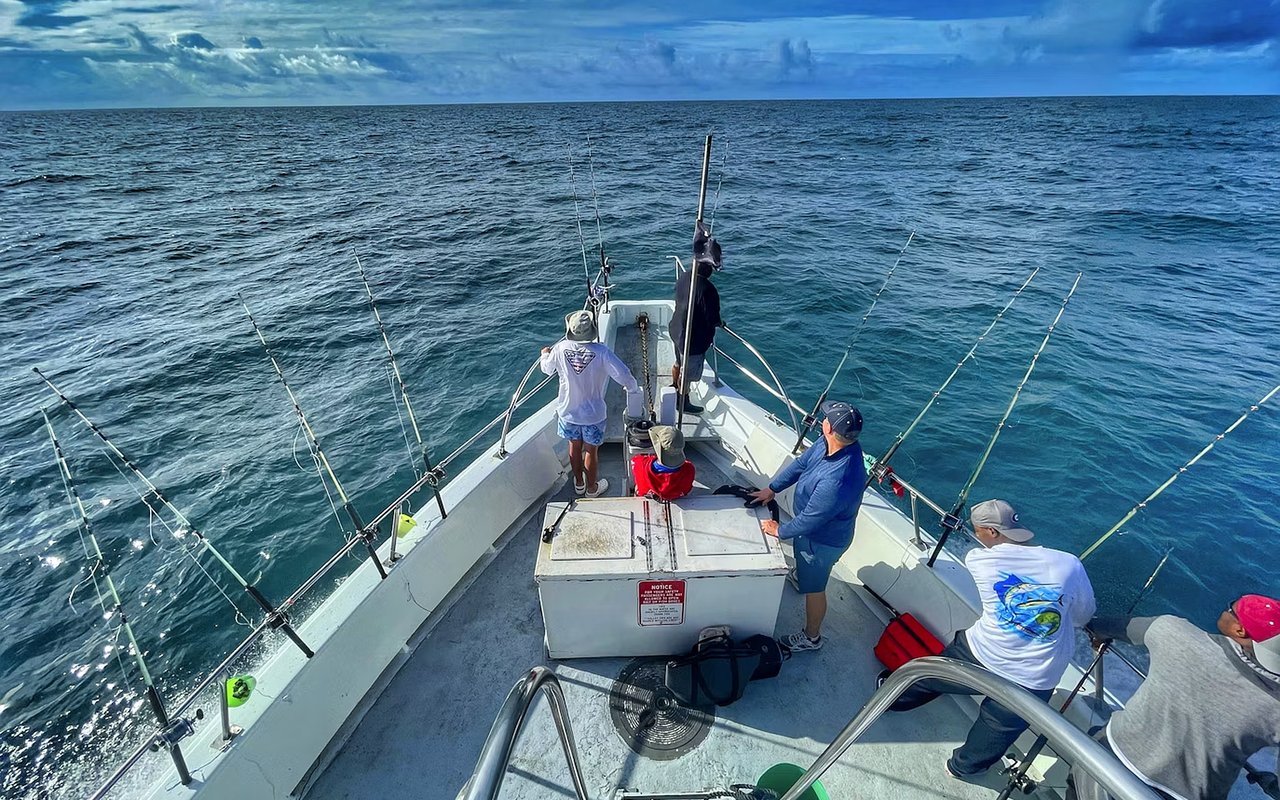
- Access: Located offshore, Sandy Cay is reachable only by boat, charter, or dinghy.
- Trail Setting: The island features a maintained walking path that winds through native vegetation, around a small wetland salt pond, and out to dramatic cliff views.
- Leave No Trace: There are no trash cans, restrooms, or commercial facilities on the cay. Pack out all garbage to protect the sanctuary's delicate ecosystem which supports the preservation society’s cleanup work.
Diamond Cay and Little Jost Van Dyke
Designated as a National Park in 1991, Diamond Cay is a tiny 1.25-acre sanctuary off the eastern end of Jost Van Dyke. It serves as a critical nesting site for seabirds, including brown boobies, pelicans, and terns. Nearby Little Jost Van Dyke offers secluded, quiet shorelines ideal for peaceful coastal strolls.
Wildlife & Coastal Walk Guidelines
- Bird Watching: Bring binoculars to observe nesting colonies from a safe distance without causing stress to the wildlife.
- Respect Habitats: Stay on established paths, avoid disturbing mangrove areas, and follow all guidelines posted by the BVI National Parks Trust.
Frequently Asked Questions
What are the best hiking spots on Jost Van Dyke for beginners?
The walk over the ridge from Great Harbour to White Bay and the coastal path to the Bubbly Pool are short, manageable routes ideal for beginners.
Can I get around Jost Van Dyke without a car?
Yes. Many visitors walk between adjacent bays, take local safari taxis, or use dinghies along the shoreline. However, walking the hilly terrain in mid-day heat can be demanding, so arranging taxi rides for longer returns is recommended.
What should I bring on a hike?
Key essentials include plenty of drinking water, sun protection, sturdy footwear, and USD cash in small denominations (since there are no ATMs on the island). A dry bag is also helpful for keeping electronics safe during boat transfers or beach swims.
Reach Out to Us Today
Jost Van Dyke’s unhurried pace and natural beauty draw visitors from all over the globe. Whether you are exploring options for a vacation home or an island investment, our team at CIRE | British Virgin Islands is here to guide you through luxury real estate across the BVI.