By CIRE | British Virgin Islands
Jost Van Dyke is famous for its beach bars and laid-back atmosphere, but its protected natural areas are equally worthy of exploration. The National Parks Trust of the Virgin Islands manages Diamond Cay National Park and owns nearby Sandy Cay, helping to preserve important bird habitats, coastal ecosystems, and scenic landscapes for future generations. Visiting these special places offers a chance to experience a quieter side of the British Virgin Islands while supporting responsible tourism.
Key Takeaways
- Diamond Cay: A 1.25-acre national park and bird sanctuary established in 1991, known for its nesting seabirds and dramatic coastal scenery.
- Sandy Cay: A 13.57-acre uninhabited island owned by the National Parks Trust since 2008, featuring a maintained hiking trail and protected wildlife habitats.
- Local stewardship: The Jost Van Dyke Preservation Society assists with the care and maintenance of Sandy Cay on behalf of the Trust.
- Responsible visitation: Respecting wildlife, using moorings where available, and removing all trash help preserve these fragile environments.
Protected Areas in the British Virgin Islands
The National Parks Trust of the Virgin Islands manages a network of protected terrestrial and marine areas throughout the Territory. These parks and protected sites conserve important habitats, safeguard wildlife, and provide opportunities for recreation and environmental education.
Because management classifications can vary among publications, visitors should refer to the National Parks Trust for the most current information regarding regulations, access, and conservation measures.
Before You Visit
- Check National Parks Trust guidance for current visitor information.
- Follow any posted restrictions or environmental protections.
- Respect wildlife and sensitive habitats.
- Leave natural areas exactly as you found them.
Diamond Cay National Park
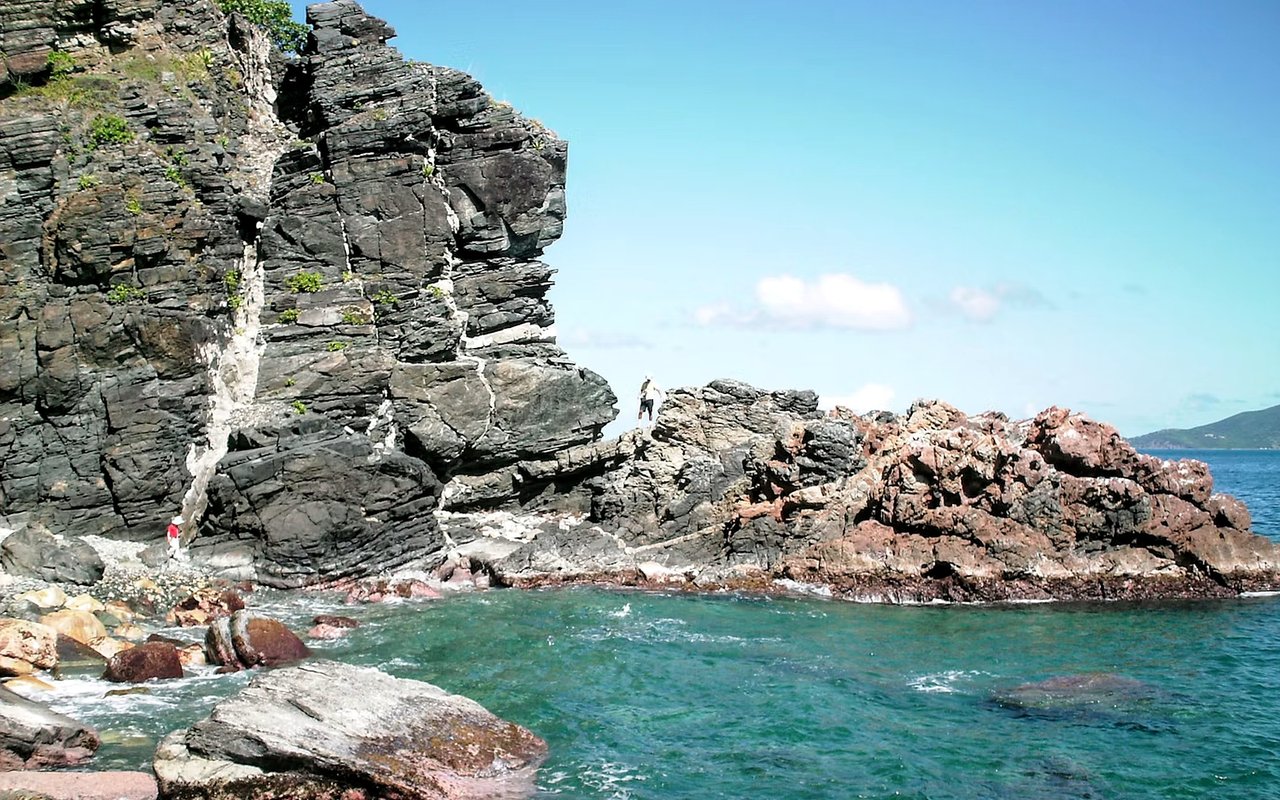
Located near Little Jost Van Dyke, Diamond Cay National Park is one of the smallest protected areas in the British Virgin Islands, covering approximately 1.25 acres. Established in 1991, the cay serves as an important sanctuary for seabirds, including terns, brown boobies, and brown pelicans.
The park's rocky shoreline and coastal vegetation create ideal nesting and resting habitats for these species, making it an excellent destination for birdwatching and nature photography.
Highlights of Diamond Cay
Bird Watching Observe seabirds from a respectful distance, particularly during nesting periods when disturbance can affect breeding success.
Spectacular Coastal Views The cay offers beautiful views across the Sir Francis Drake Channel and neighboring islands.
Nearby Bubbly Pool One of Jost Van Dyke's most popular natural attractions, the Bubbly Pool can be reached via trails in the Diamond Cay area. Ocean swells force water through a narrow rock opening, creating a natural bubbling effect similar to a jacuzzi.
Peaceful Environment Unlike the island's busier beaches and bars, Diamond Cay provides a tranquil setting for appreciating the BVI's natural beauty.
Sandy Cay: A Conservation Success Story
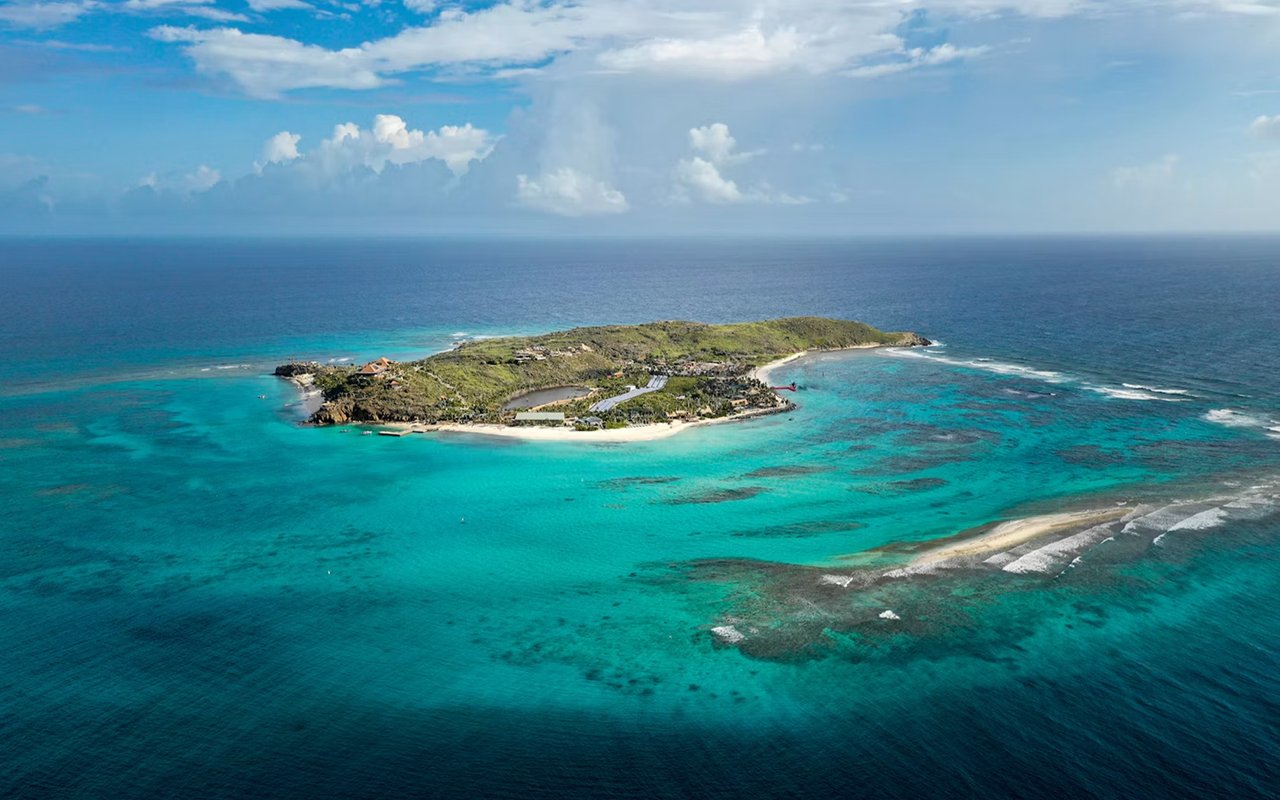
Situated between Tortola and Jost Van Dyke, Sandy Cay is a picturesque, uninhabited island surrounded by white-sand beaches and clear turquoise waters. Covering 13.57 acres, the island has become one of the most photographed natural landmarks in the British Virgin Islands.
In May 2008, ownership of Sandy Cay was transferred from the Laurance Rockefeller Estate to the National Parks Trust, ensuring its long-term protection. The Trust works with the Jost Van Dyke Preservation Society to maintain the island and support conservation initiatives.
What Makes Sandy Cay Special?
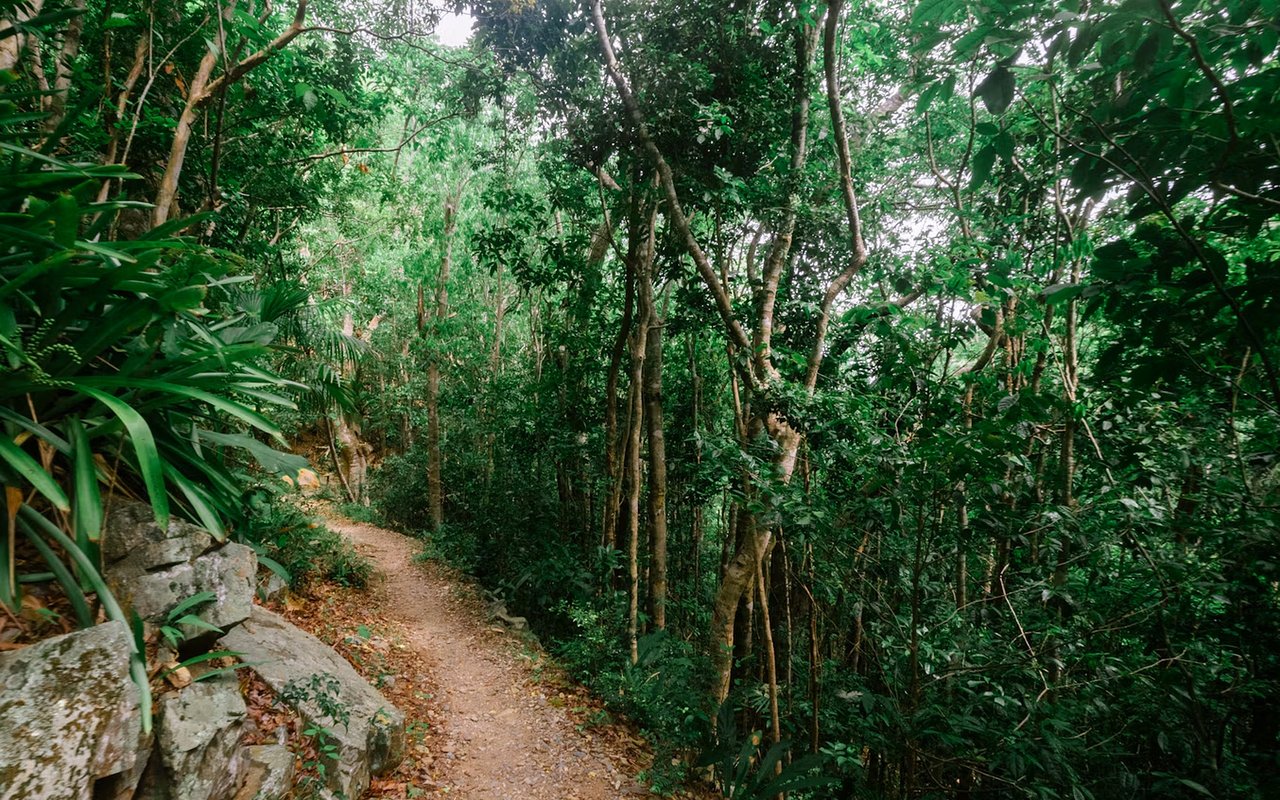
Maintained Nature Trail A short hiking trail circles much of the island, allowing visitors to enjoy scenic viewpoints while minimizing impact on sensitive areas.
Unique Geology Some of Sandy Cay's rocks display a greenish coloration caused by copper mineral deposits.
Central Salt Pond A small salt pond in the island's interior provides habitat for birds and other wildlife.
Wildlife Habitat Conservation efforts have helped native species thrive. Following the successful removal of invasive rats, populations of hermit crabs and other native wildlife have flourished.
Outstanding Natural Beauty Its untouched beaches, clear waters, and tropical vegetation have made Sandy Cay one of the most recognizable natural settings in the British Virgin Islands.
Visitor Tips
Sandy Cay has no commercial facilities, visitors should:
- Bring drinking water and any supplies needed for the day.
- Take all garbage back to the boat.
- Avoid disturbing wildlife or removing natural materials.
- Stay on designated paths where possible.
Visiting by Boat
Jost Van Dyke is accessible primarily by ferry, private vessel, charter boat, or water taxi. Many visitors combine stops at Diamond Cay and Sandy Cay during day trips from Tortola, Virgin Gorda, or the U.S. Virgin Islands.
When boating near protected areas:
- Use established mooring buoys to protect seagrass beds and coral.
- Observe wildlife from a respectful distance.
- Follow any National Parks Trust regulations and local maritime guidelines.
Pair Nature with a Beach Day on Jost Van Dyke
Exploring these protected areas can easily be combined with a visit to some of Jost Van Dyke's most famous destinations.
Suggested Itinerary
Morning Visit Diamond Cay and enjoy a walk to the Bubbly Pool while temperatures are cooler.
Midday Head to White Bay or Great Harbour for swimming and lunch.
Afternoon Visit Sandy Cay for a short hike and beach walk before returning to Tortola or your anchorage.
Jost Van Dyke's compact size makes it easy to enjoy both its celebrated beach culture and its remarkable natural heritage in a single day.
Frequently Asked Questions
What protected areas can I visit near Jost Van Dyke?
Diamond Cay National Park and Sandy Cay are two of the most accessible protected natural areas on Jost Van Dyke. Both offer opportunities to experience native wildlife, coastal scenery, and conservation efforts firsthand.
Do I need a permit to visit?
Visitor requirements may change over time. Check with the National Parks Trust of the Virgin Islands or consult your charter operator, ferry provider, or local guide for current information to confirm before booking.
Can I fish in protected areas?
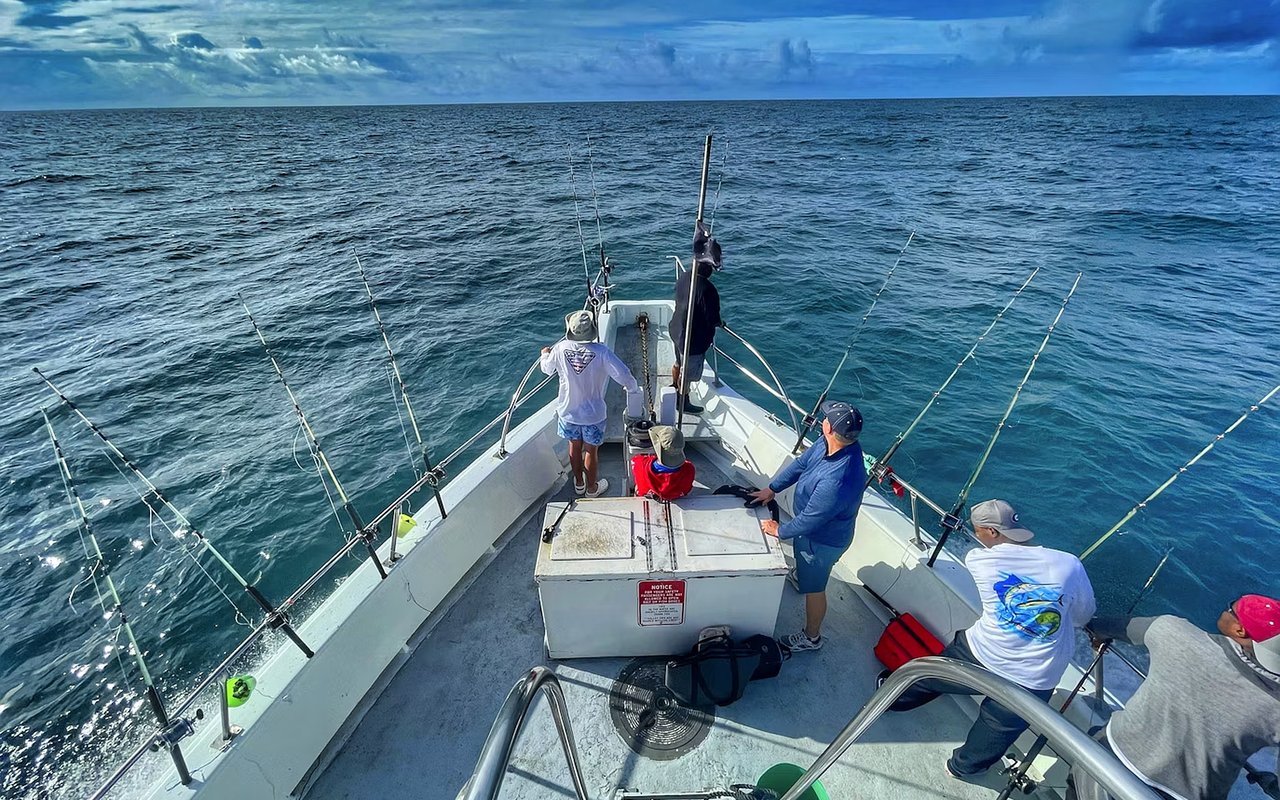
Fishing regulations vary depending on the specific protected area and applicable fisheries rules. Visitors should consult the National Parks Trust and the Department of Fisheries for current regulations before fishing.
Discover More of the British Virgin Islands
Many visitors who experience the natural beauty of Diamond Cay and Sandy Cay develop a deeper appreciation for life in the British Virgin Islands. Whether you're planning a vacation, searching for a vacation home, or considering a longer-term move, these protected landscapes showcase the unique environment that makes the BVI such a special place to live and visit.
Contact Us Today
A visit to these protected places often sparks an interest in island living, and we at CIRE | British Virgin Islands are happy to talk about homes across the BVI.