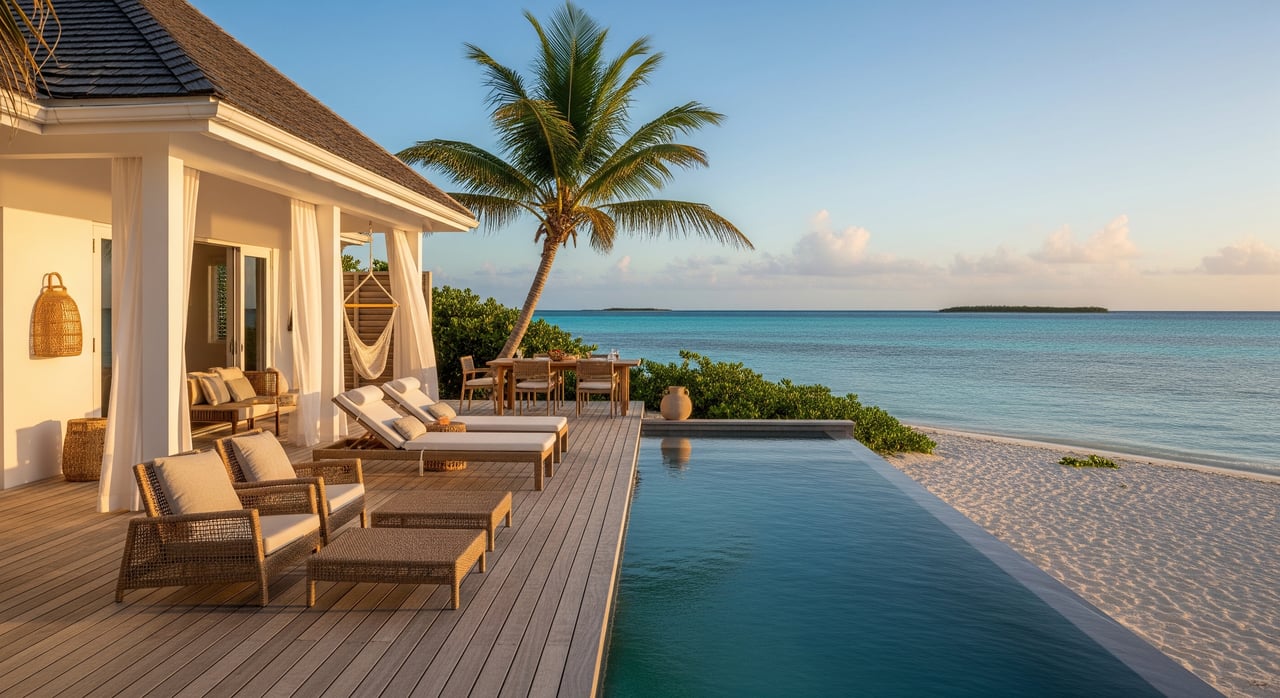
If you are dreaming of stepping from your terrace onto powder‑soft sand, Anegada delivers that barefoot luxury in spades. It is quiet, wild, and beautifully removed from the busier hubs of the British Virgin Islands. With that beauty comes a different pace and a few practical realities. In this guide, you will learn how life actually works on Anegada, the logistics that matter for homeowners, and the smart steps to take before you buy. Let’s dive in.
Anegada at a glance
Anegada is a low, coral and limestone island with long beaches, flats, and an extensive reef system. The setting is beach‑centric and nature‑driven, which is why many owners choose it as a private escape. Remoteness is part of its charm, but it also means more planning, self‑sufficiency, and attention to weather. The island’s low elevation increases exposure to storm surge and coastal erosion, so site selection and home design matter.
Lifestyle: what daily life feels like
Life on Anegada is simple and unhurried. Your days lean toward snorkeling, fishing, diving, long beach walks, birding around salt ponds, and sunset dinners at a handful of local spots. You will not find high‑end retail districts or a buzzing nightlife scene. You plan around ferry or small‑plane schedules, stock thoughtfully, and savor the quiet.
How Anegada differs from Tortola and Virgin Gorda
Tortola and Virgin Gorda have more year‑round services, larger communities, and easier access to banks, hospitals, and retail. Anegada trades that convenience for seclusion and space on or near the beach. Owners here typically adopt a more self‑reliant setup for power, water, and connectivity. If you value privacy and nature first, Anegada fits well. If you want quick services and frequent air connections, consider the main islands.
Property types and siting
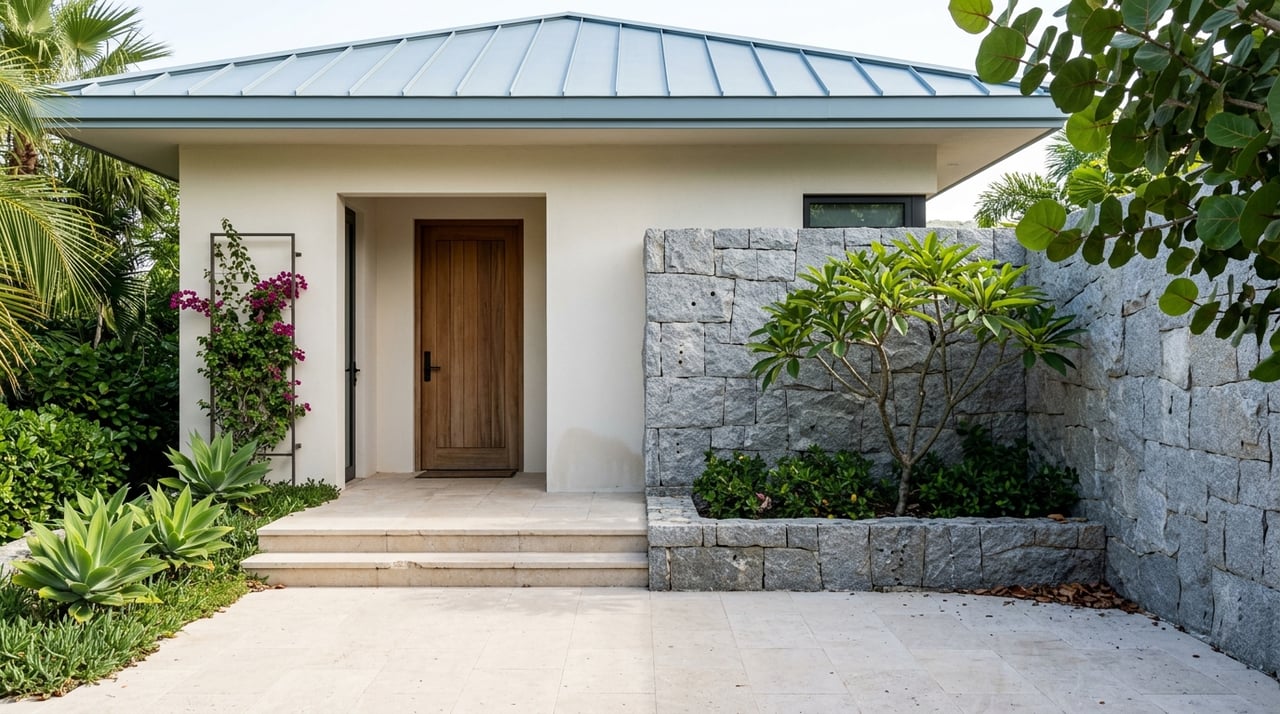
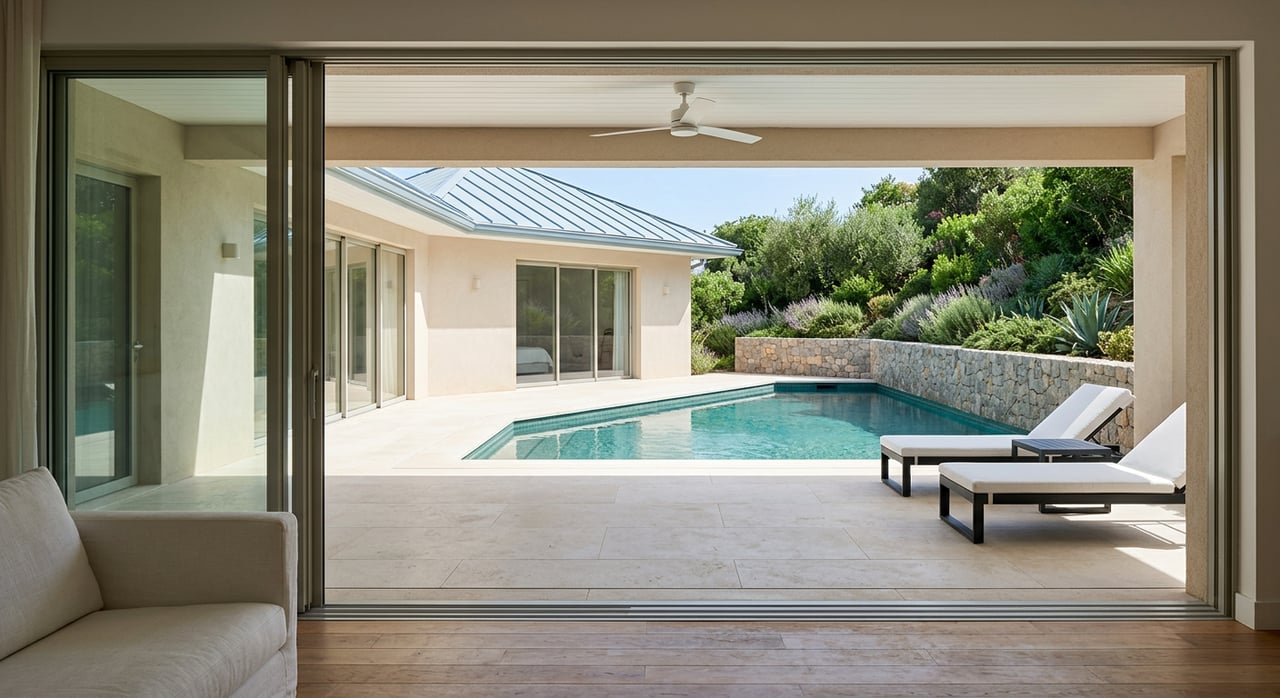
Most Anegada homes are low‑rise beachfront cottages, private villas, and small estate parcels. Many sit on dune or flat coastal land with natural vegetation that can help buffer wind and sand movement. Building setbacks, shoreline stability, and elevation are common considerations. Planning permission and building permits apply, and some coastal areas may carry special conditions or restrictions.
Getting there and getting around
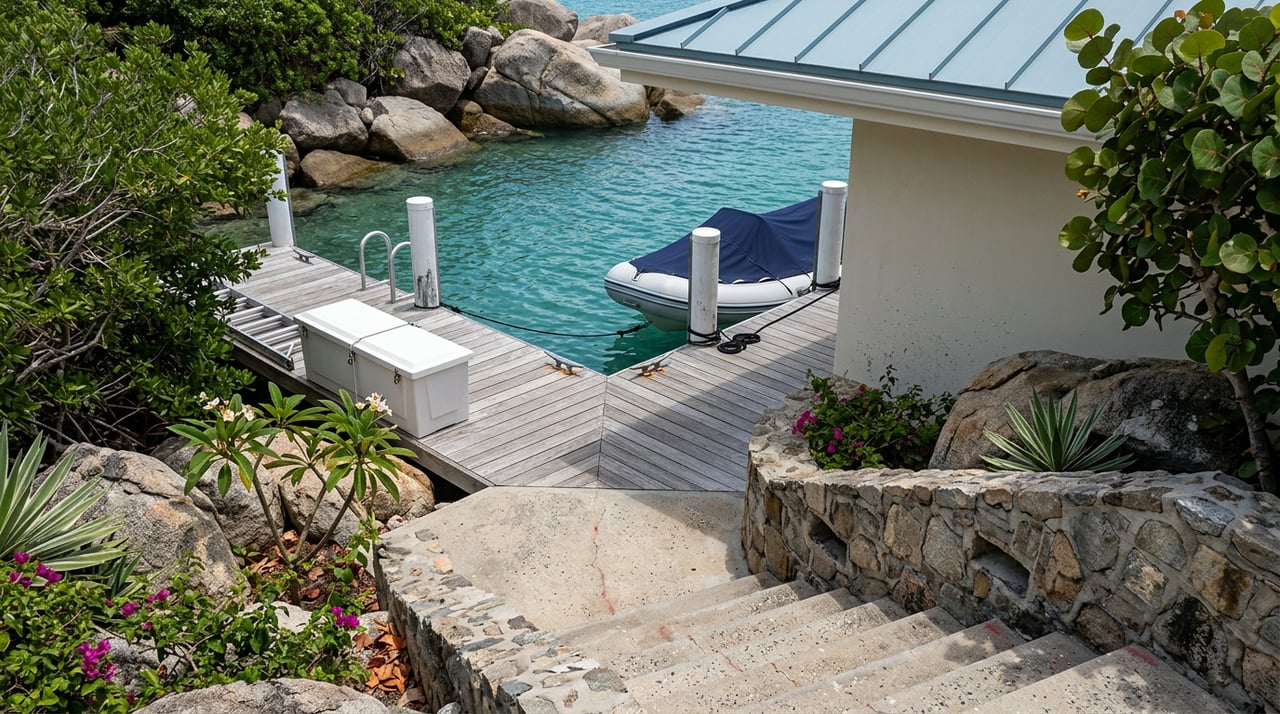
You reach Anegada by small aircraft or by sea, using scheduled ferries or private charters. Weather and season can influence schedules, so expect variability and plan arrivals, staff changeovers, and deliveries with some cushion. On‑island roads are straightforward, with some unpaved stretches, and most owners keep a vehicle for errands and beach hopping. Many boat owners enjoy visiting by sea, but reef navigation benefits from local knowledge and a conservative approach.
Supply chain and essentials
Routine provisions are available on the island, but variety is limited, and specialty items take time. Large deliveries such as furniture, appliances, and building materials are shipped from Tortola or imported, often by barge or cargo service. Lead times and freight costs are higher than on the main islands. For health planning, medical evacuation to Tortola or beyond should be part of your emergency strategy, supported by appropriate insurance.
Utilities and on‑island services
- Electricity: Many owners rely on a mix of diesel generators, solar PV, and battery storage. Solar plus battery with a backup generator improves resiliency and reduces fuel dependence.
- Water: Rainwater harvesting with cistern storage is common, often paired with filtration and UV systems. Droughts and temporary supply disruptions can happen, so capacity and water quality matter.
- Wastewater and refuse: Septic systems are typical and must be sited and permitted properly. Garbage collection is limited, and private removal to the main islands may be needed.
- Internet and phone: Cellular and broadband coverage can be more limited than on Tortola. Satellite internet options are popular for reliable speeds and remote work.
- Trades and maintenance: Skilled contractors, HVAC technicians, and pool specialists are in short supply on Anegada. Many owners bring trades from Tortola or use itinerant specialists on scheduled visits.
Environmental sensitivities and risk
Anegada’s low elevation means careful attention to flood exposure and coastal change. The BVI sits in the hurricane belt, so high‑wind design, water intrusion defenses, and secure openings are key. The surrounding reef and marine habitats are sensitive, and construction or activities that affect the seabed or shoreline can face restrictions. Groundwater is vulnerable to saltwater intrusion, making cisterns and smart water management essential. Wildlife, including turtle nesting and bird habitats, may influence lighting practices and seasonal construction timing, supported by required environmental approvals where applicable.
Building, maintenance, and insurance
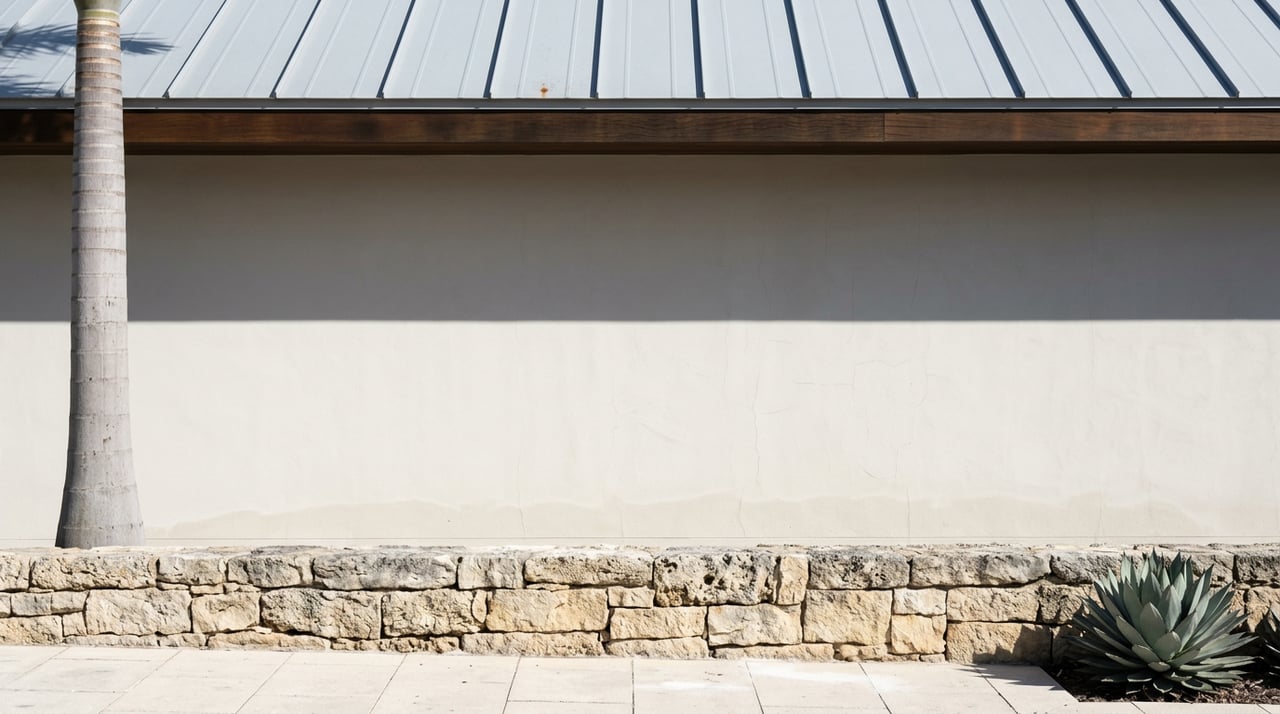
Well‑designed homes here favor durable, hurricane‑resilient construction, with impact‑rated windows and doors, robust roof systems, and corrosion‑resistant materials. Salt air accelerates wear on metals, paint, and mechanical systems, so expect more frequent maintenance cycles. Generators, pumps, solar arrays, and cisterns all need regular servicing. Property insurance costs reflect exposure to wind and proximity to shore, and policies often include higher deductibles for named storms. Insurers may require certain construction standards to bind coverage, so confirm feasibility early.
Legal and transaction essentials
The BVI legal framework governs land transfers and ownership. Non‑Belongers typically require government approval or a landholding licence to own property, and a local attorney should confirm procedures and conditions. Standard due diligence includes a title search, a current survey, and checks for encumbrances. Planning and environmental approvals are part of both new builds and renovations, and some coastal parcels may include easements or public access conditions. If you plan to rent, ensure you comply with local hospitality regulations and tax registration.
Rental potential on Anegada
Anegada attracts charter boaters, divers, and eco‑travelers, which supports seasonal rental demand. Homes with reliable power, water capacity, and strong internet tend to perform best. Operating a rental here is more hands‑on than on the main islands due to logistics for cleaning, stocking, and guest transfers. Returns are possible, but operating costs and coordination needs are higher, so a local manager or a reliable caretaker network is valuable.
Due‑diligence checklist
Use this short list to organize your pre‑purchase work with local professionals:
- Title and legal: Full title search, survey, and confirmation of any licence needs for non‑Belongers.
- Planning and permits: Verify existing approvals, setbacks from the high‑water mark, and any coastal or protected area overlays.
- Elevation and flood risk: Commission an elevation survey and review site‑specific storm history and erosion patterns.
- Utilities and resilience: Audit power sources, fuel logistics, solar potential, cistern capacity and water quality, septic performance, and internet options.
- Structure and engineering: Arrange a pre‑purchase inspection, assess wind resistance, foundations in coral substrate, and corrosion issues.
- Insurance: Obtain quotes that show deductibles and windstorm terms, and confirm construction standards required by insurers.
- Environmental constraints: Check for wildlife considerations, reef protection, and conservation covenants that could affect design and timing.
- Access and logistics: Review flight and ferry options, private mooring potential, freight lead times, and availability of property managers and trades.
- Operating budget: Build an annual budget for insurance, utilities and fuel, generator and solar servicing, water and septic maintenance, staffing or management, and periodic heavy maintenance.
What it costs to operate
Operating costs on Anegada are generally higher than on the main islands due to freight, fuel, and contractor mobilization. Budget for generator or solar maintenance, water system care and testing, septic servicing, frequent exterior painting, and corrosion control on metals. Insurance is a major line item, along with delivery charges for bulky items and special orders. A realistic reserve for storm‑related repairs and upgrades will help keep your home guest‑ready and resilient.
Is Anegada the right fit for you
Choose Anegada if you want long, quiet beaches, nature at your door, and a retreat vibe that rewards planning and self‑sufficiency. The island suits owners who value privacy and do not mind coordinating logistics for supplies and maintenance. If you prefer daily conveniences, large social networks, and faster service response times, compare options on Tortola or Virgin Gorda. With the right team and a clear plan, Anegada can be a remarkable, low‑density beachfront haven.
Partner with a trusted advisor
Buying on an outer island benefits from experienced, on‑the‑ground guidance. With decades of local expertise and the support of RICS‑qualified advisory through our Smiths Gore heritage, our team helps you evaluate sites, coordinate due diligence, and position your home for personal use or rental. When you are ready to explore Anegada beachfront opportunities, connect with Christies BVI Residential for tailored advice and discreet service.
FAQs
What makes Anegada different from other BVI islands for homeowners
- It is flatter, quieter, and more remote than Tortola or Virgin Gorda, which enhances privacy but requires more self‑sufficiency and planning for logistics.
How do utilities typically work for Anegada beachfront homes
- Many owners use a hybrid of solar, batteries, and a backup generator, collect rainwater in cisterns, and rely on septic systems and satellite internet for resiliency.
What environmental risks should I evaluate before buying on Anegada
- Focus on elevation, flood and storm surge exposure, shoreline stability, and any environmental or protected area conditions that affect design and use.
Can I operate my Anegada home as a vacation rental
- Yes, seasonal demand exists, but you will need local management, reliable utilities, guest transfer planning, and compliance with hospitality regulations.
What permits or approvals are usually required to build or renovate on Anegada
- You should secure planning permission, building permits, and any environmental approvals that apply to coastal construction and site conditions.
Do non‑Belongers need special approval to buy property in the BVI
- Typically yes, a landholding licence or similar approval is required, so engage a local attorney early to confirm procedures and timelines.
How should I plan for medical or emergency situations on Anegada
- Include medevac coverage in your insurance, maintain communication redundancy, and have a clear plan for transport to services on Tortola or beyond.