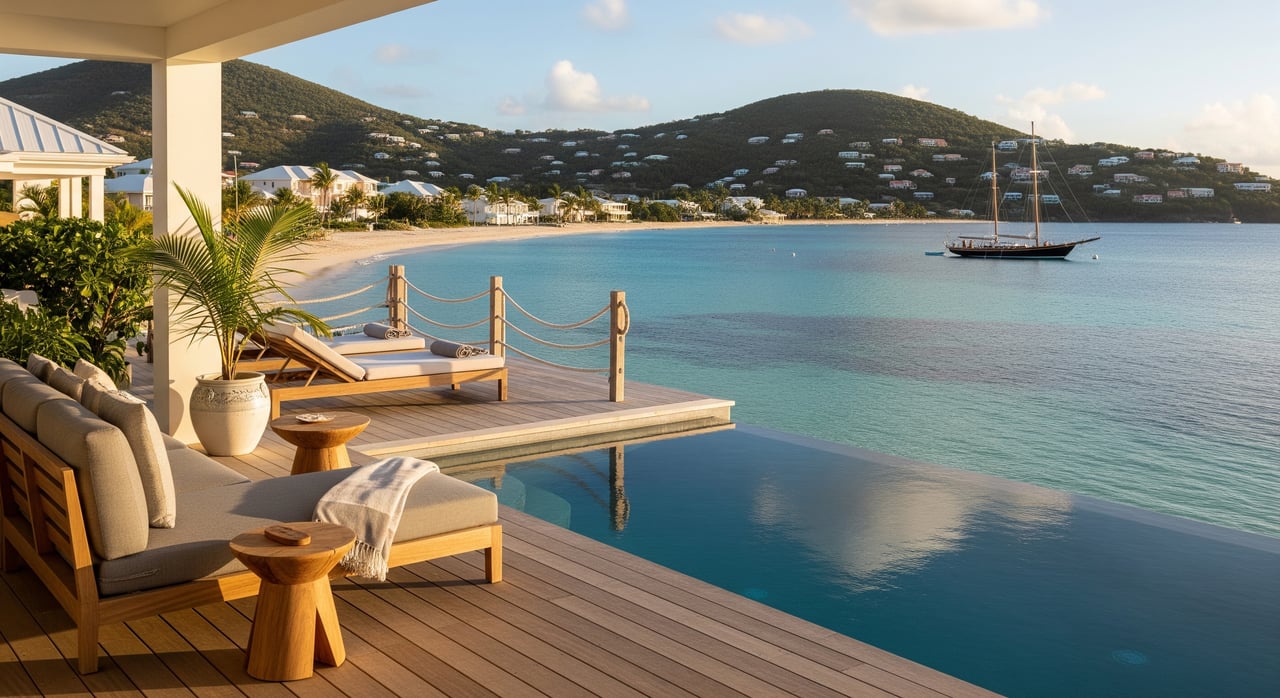
Wake to the curve of a palm‑lined bay, watch yachts glide in, and end the day with your toes in the sand. If Cane Garden Bay has been on your radar, you likely want that blend of easy beach access, village charm, and views that stretch across the Caribbean Sea. You also want a clear picture of daily life, property types, and the practical steps to buy with confidence.
In this guide, you will learn what living in Cane Garden Bay looks like, which homes tend to work best for different needs, how utilities and access function on Tortola, and what to consider if you plan to rent seasonally. You will also find a concise due‑diligence checklist to use as you evaluate properties. Let’s dive in.
Cane Garden Bay overview
Cane Garden Bay sits on Tortola’s north shore and is one of the island’s most recognized beaches. The shoreline is the social hub, with soft sand, calm water for swimming and snorkeling, and a casual dining scene. The area draws both locals and visitors, so the beachfront often feels lively, especially on weekends and during the Northern Hemisphere winter season.
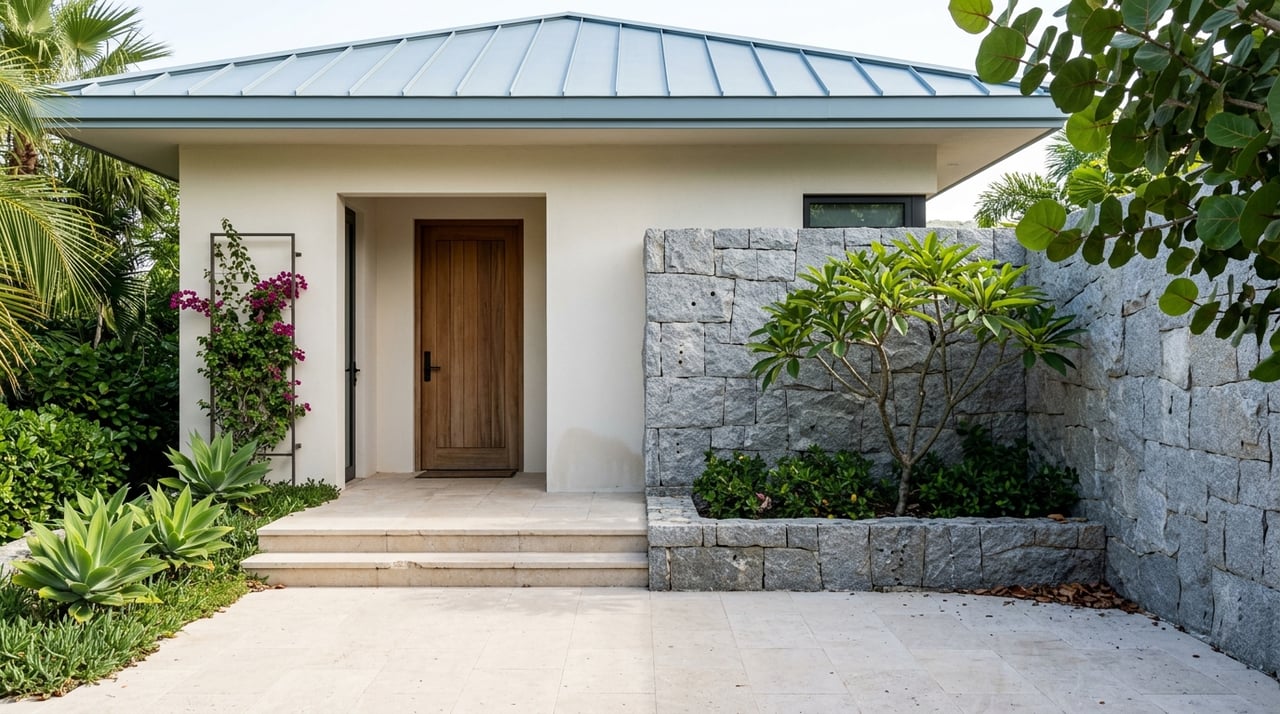
Step back from the sand and you find a village‑scale neighborhood framed by green hills. Homes range from traditional cottages to private villas with wide terraces. Development is lower density than big resort corridors, and you see more standalone villas than large condo complexes. If you prefer a quieter setting, hillside or set‑back homes usually offer more privacy than properties right on the beach.
Access and getting around
Cane Garden Bay is a short drive from Road Town, Tortola’s administrative and commercial center. You will access the island via Terrance B. Lettsome International Airport on Beef Island, then continue by road to the bay. Inter‑island travel is common by boat, including ferries, day charters, and private yachts.
Roads are generally paved but can be narrow and winding. Travel times are short, though congestion can build during peak hours, weekends, and holidays. Most residents own a car. Public bus or minibus service exists but is limited, while many restaurants and small shops near the beach are walkable.
Property types in Cane Garden Bay
You will find a mix of home styles and settings. Your choice will often come down to tradeoffs between access, views, privacy, and noise.
- Beachfront lots and cottages. Supply is limited. These offer direct sand access and a front‑row seat to the beach. They also carry specific considerations around flood risk, coastal erosion, and insurance.
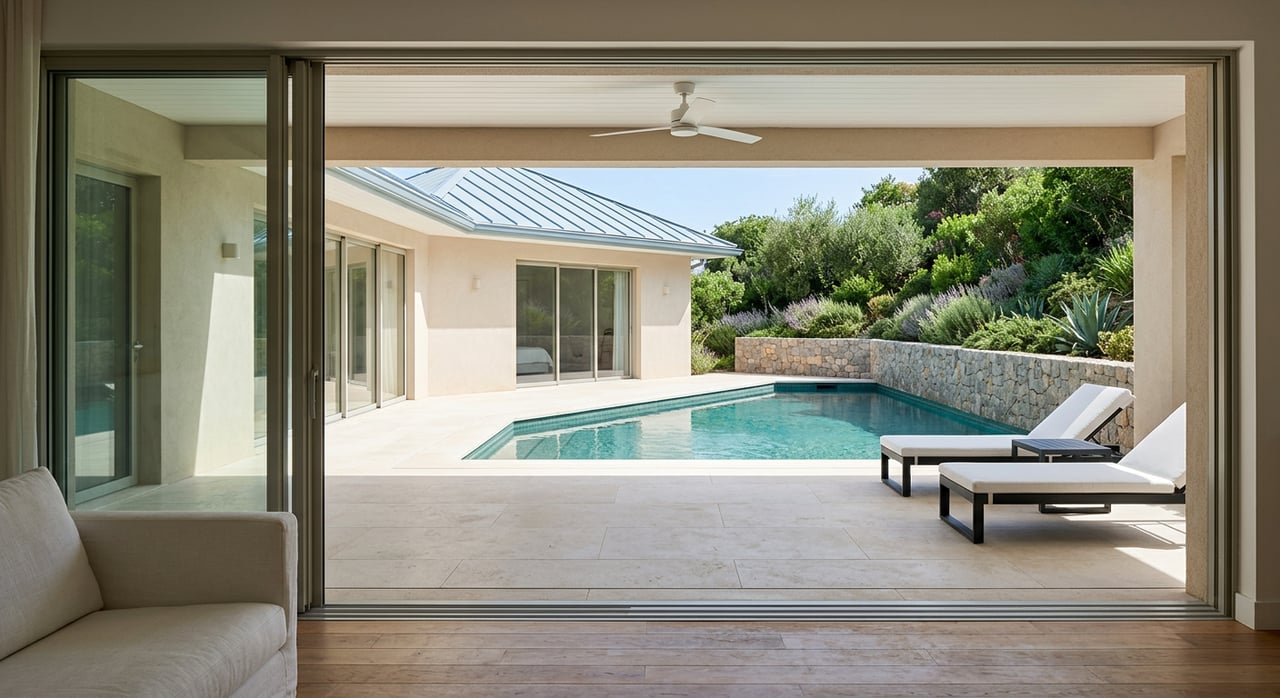
- Hillside villas. Many are concrete or masonry homes sited to capture sea views. Terraces, pools, and view‑oriented floor plans are common. Elevation usually provides breezes, privacy, and lower noise than the beachfront.
- Small low‑rise clusters. Compared with other Caribbean islands, Cane Garden Bay has fewer condominium‑style developments. Private villas dominate.
- Infill or renovation opportunities. Older cottages may be ready for upgrades or rebuilds. Slope, access, and rock conditions can influence construction budgets.
Homesites and build features
Tortola’s topography shapes how properties live day to day. Expect sloping lots, view variance from one parcel to the next, and access drives that may be steep. Near the beach, on‑site parking can be limited. Some hillside homes place parking at road level with steps or a path to the house.
Many homes rely on a combination of infrastructure solutions. Rainwater catchment and cisterns are common, sometimes augmented by municipal or RO water. Septic systems are typical rather than centralized sewerage. Newer or reinforced builds often include hurricane‑resilient details and drainage planning to manage heavy rain.
Everyday life and services
- Electricity. Tortola’s grid can experience occasional outages. Many homes keep a generator or battery backup for continuity.
- Water. Supply varies by property. Confirm cistern capacity, roof catchment condition, and any municipal water connection during due diligence.
- Internet and phone. Mobile coverage and broadband providers operate across the BVI, with speeds and reliability that can vary by location. If you work remotely, test options at the specific home.
- Wastewater and waste. Septic maintenance is an ongoing cost. Local waste collection exists, though practices differ by area.
- Schools and commuting. Most primary and secondary schools are in or near Road Town. Families usually commute by car and confirm options with the BVI Ministry of Education.
- Healthcare. Basic services are available on Tortola. For specialized care, expect to travel to larger regional centers. If proximity to medical facilities is a priority, include that in your search criteria.
Noise, privacy, and views
The beach is the heart of the action. Music, events, and weekend activity are part of the Cane Garden Bay experience during high season. If you want a quieter setting, look uphill or set back from the sand. Elevation does more than deliver views. It usually means cooler breezes, more privacy, and less exposure to beachfront noise and foot traffic.
Who Cane Garden Bay suits
Cane Garden Bay can work well if you value a beach community with quick access to Road Town and a strong sense of place.
- Full‑time residents. You get island‑community living, a simple commute to the island’s services, and a social scene that balances locals and visitors. Comfort with island infrastructure and modest travel times is helpful.
- Vacation‑home owners. Winter and spring bring ideal weather and a lively bay. The area is popular for seasonal stays, with day charters and sailing close at hand.
- Investors and rental hosts. The bay’s name recognition supports short‑term rental demand in peak season. Occupancy is seasonal, and performance tends to track broader tourism trends. Most overseas owners use local property managers.
Cane Garden Bay may not be ideal if you need frequent access to large‑city amenities or specialized healthcare without traveling to other islands, or if you prefer a high‑rise, resort‑style environment. The neighborhood is low‑rise and village‑scale by design.
Rental demand and seasonality
Short‑term rental performance in Cane Garden Bay is closely tied to the Northern Hemisphere winter. Peak season brings higher nightly rates and occupancy. Summer and early fall are typically quieter, so plan for seasonality in revenue projections.
Guest experience and operations matter. Strong results usually rely on professional property management, consistent cleaning and maintenance, thoughtful arrival logistics, and clear information on transport and provisioning. If you intend to rent, confirm local licensing and any tourism taxes that apply to short‑term stays.
Costs, financing, and insurance
Budgeting for island ownership benefits from a clear, line‑item approach. A few items to assess early:
- Financing. Local mortgage options for non‑Belongers may be limited. Many buyers purchase with cash or arrange regional financing. Start conversations with lenders early to clarify eligibility and timelines.
- Approvals. Historically, non‑Belongers require a Land Holding License or similar approval to acquire property. Rules, fees, and processing times change. A local attorney can confirm current requirements and manage the application.
- Transfer costs and taxes. Expect stamp duty or transfer charges at purchase and recurring property taxes or fees. If you plan to rent, review any business or hotel‑type taxes that may apply.
- Insurance. Wind and hurricane insurance is typically required if you finance and is an important part of any ownership plan. Premiums and deductibles vary based on location, elevation, and construction. Obtain quotes during due diligence.
- Maintenance and management. Sea air increases wear on finishes and systems. Plan for routine structural, roof, and pool care, plus corrosion‑resistant materials. Absentee owners often budget for professional property management.
Environmental and regulatory factors
Cane Garden Bay sits within the Atlantic hurricane zone. New construction commonly follows higher wind‑resistant standards. If you are evaluating a home or a build site, consider the roof system, foundation detailing, drainage, and any coastal protections. Rebuilding and materials can be costly on an island, so resilient design pays dividends.
Beachfront parcels face distinct coastal dynamics, including storm surge and shoreline change. Coastal work, moorings, or seawalls may require permits. Coral reefs and marine ecosystems are protected, so it is wise to consult the appropriate BVI planning and environmental authorities before undertaking coastal or in‑water projects.
Boating and mooring considerations
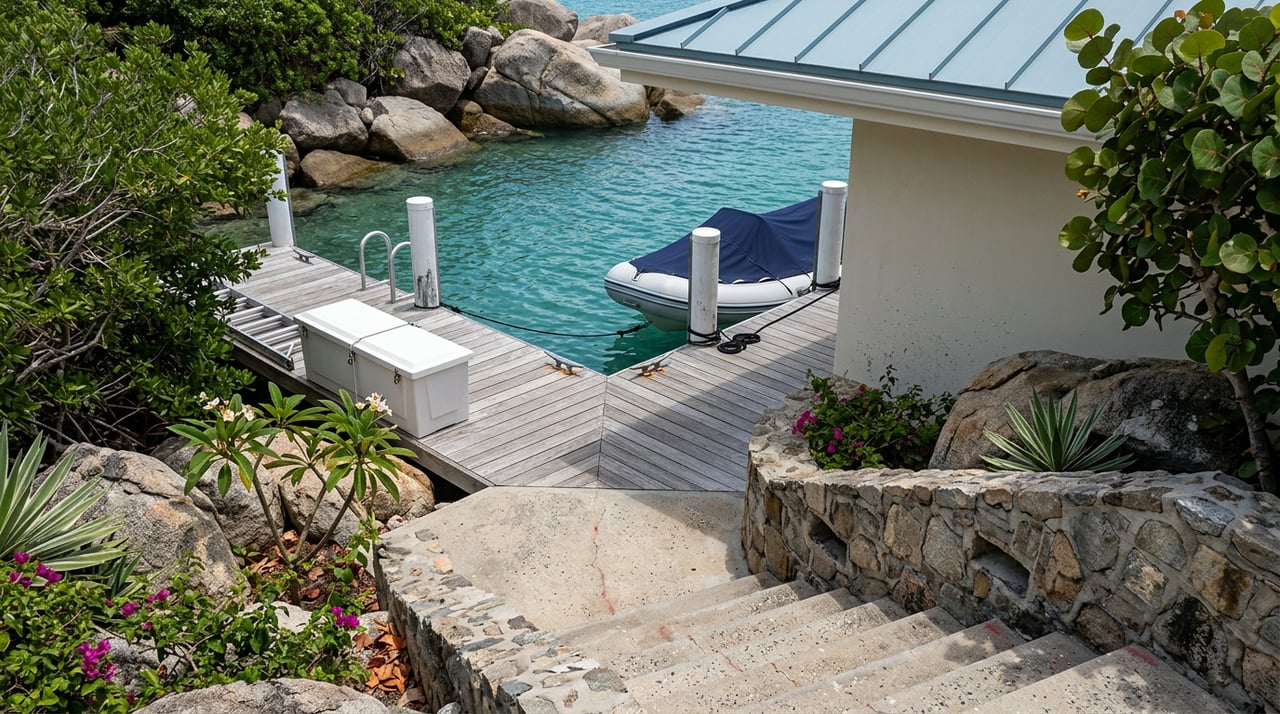
Cane Garden Bay attracts private boats and day charters, which adds to the area’s appeal for sailors. If you own or plan to own a boat, confirm local mooring rules, anchorage conditions, and whether a specific waterfront property includes any rights or approvals related to moorings. Across Tortola, marina services are available in Road Town and the island’s west, with demand peaking in yachting season.
Buyer due diligence checklist
Use this list to structure your evaluation. A good local team can help you complete each step.
- Confirm legal title and whether you need a Land Holding License or other government approval.
- Order a recent survey, verify boundaries, and check for easements such as access, drainage, or beach paths.
- Verify utilities: mains water availability, cistern capacity and condition, septic system status, and broadband options at the property.
- Review building permits and ensure any existing structures comply with current codes.
- Commission structural and hurricane‑focused inspections, including roof, foundations, drainage, and any sea walls.
- Obtain insurance quotes for wind, flood, and property coverage before you finalize a purchase.
- Check short‑term rental rules, licensing, and any tourism taxes or levies if you plan to rent.
- Interview local property managers and ask for sample operating statements if rental income is part of your plan.
- Visit in both high and low seasons to assess beach activity, noise, and utility reliability.
- Verify proximity and access to emergency services and the nearest hospital or clinic.
Is Cane Garden Bay a fit for you?
If you love the idea of a lively beach with a true neighborhood feel, Cane Garden Bay delivers. You get easy access to Road Town, strong wintertime energy, and a range of homes from sand‑front cottages to view‑rich hillside villas. If privacy and calm are priorities, focus uphill or set back from the shoreline. If access and daily beach life are your focus, a beachfront lot or cottage might be worth the added coastal due diligence.
When you are ready to refine your search, a consultative approach helps. A team that blends local brokerage experience with technical advisory can guide you on property selection, valuations, construction feasibility, rental strategy, and ownership approvals.
Ready to explore Cane Garden Bay? Start a conversation with Christies BVI Residential for tailored advice, on‑the‑ground insight, and a clear plan for your next steps.
FAQs
What is daily life like in Cane Garden Bay?
- Expect a lively beach scene in high season and on weekends, with quieter residential pockets on the hillsides and streets set back from the sand.
How close is Cane Garden Bay to services in Road Town?
- The bay is a short drive to Road Town’s shops, schools, and services, though roads are winding and traffic can build during peak times.
Which property types are most common in Cane Garden Bay?
- Private hillside villas are most common, with limited beachfront cottages and few condominium‑style developments compared with other islands.
How reliable are utilities for homes in Cane Garden Bay?
- Many homes use cisterns alongside municipal water, keep generators for occasional power outages, and rely on local broadband providers with variable speeds by location.
Is Cane Garden Bay good for short‑term rentals?
- Demand is strong in the Northern Hemisphere winter, with softer occupancy in summer and early fall; professional management usually supports better performance.
What should non‑Belongers know about buying property?
- Historically, non‑Belongers require a Land Holding License or similar approval; consult a local attorney to confirm current rules, timelines, and fees.
Are there special considerations for beachfront properties?
- Yes. Assess hurricane exposure, storm surge, erosion, coastal setbacks, and insurance costs, and confirm any permits needed for coastal or in‑water works.